The Cavolo Trunzo di Aci, an ancient native Sicilian variety and today a Slow Food Presidium, has become a symbol of agricultural and cultural revival, as well as a distinctive hallmark of the Lands of Aci. Nearly vanished in the 1980s—but still alive in the memories of local elders—it has returned to the fields thanks to the perseverance of farmers and associations who recognized its cultural, nutritional, and gastronomic value. Today, Cavolo Trunzo tells the story of a Sicily that looks to the future with awareness, blending sustainability, innovation, and tradition.
Deeply linked to the volcanic origin of the Ionian-Etnean soil, the Cavolo Trunzo di Aci grows in mineral-rich terrain that enhances its development. This native variety is cultivated in the Aci area at the foot of Mount Etna and is recognizable by its round shape, fleshy leaves, and thick stems with purple streaks. Its flavor is intense, with a sweet aftertaste and a fresh, savory aromatic note. It is rich in minerals and vitamins, has detoxifying effects, and a low-calorie content.
This unique organoleptic profile also makes it a very versatile ingredient in the kitchen. Once a staple of the local peasant diet, Trunzo also inspired the nickname “testa di trunzu”, humorously used to describe the proverbial stubbornness and slowness of the people of Aci. Over time, it was replaced by other varieties, but today—thanks to the growing interest of aware chefs and farmers—it is experiencing a renewed season of appreciation. It is also a sustainable crop: every part is used, reducing waste and promoting a more conscious and environmentally friendly consumption.
Cultivated in the lava soils of Mount Etna, Cavolo Trunzo has a fascinating history intertwined with the culture, language, and local traditions. Its origins date back to the period of Spanish rule in Sicily, and it is even mentioned in Goethe’s travel diaries. The name “trunzo” is debated: some say it derives from the Spanish “trompicar” (“to stumble”), referring to the plant’s fibrous texture; others from “troncho” (“stump” or “stem”), in reference to its thick base. There is also a dialectal interpretation: “trunzu” as a synonym for “big head,” a saying still used today by the people of Catania to gently tease the residents of Aci.

The rediscovery of Cavolo Trunzo is a story of resilience and vision, led by small producers who prevented its extinction and built a sustainable supply chain. Among the key figures in its revival, alongside GAL Terre di Aci, are Enzo Pennisi (Slow Food Presidium representative), Salvatore Marino (coordinator of the ATS Cavolo Trunzo delle Aci), and Giovanni D’Avola. Thanks to their dedication, this once-forgotten vegetable has returned as a symbol of conscious agriculture that enhances biodiversity and local knowledge. As recently reported by Gambero Rosso, its recognition as a Slow Food Presidium marked a turning point, paving the way for research and development projects in collaboration with the University of Catania.
Today, production is distributed across three seasonal cycles, with approximately 20,000 plants per year cultivated mainly for the local market. A still modest number, but one that tells a brave story: the return of Cavolo Trunzo to Sicilian tables</strong—and beyond.
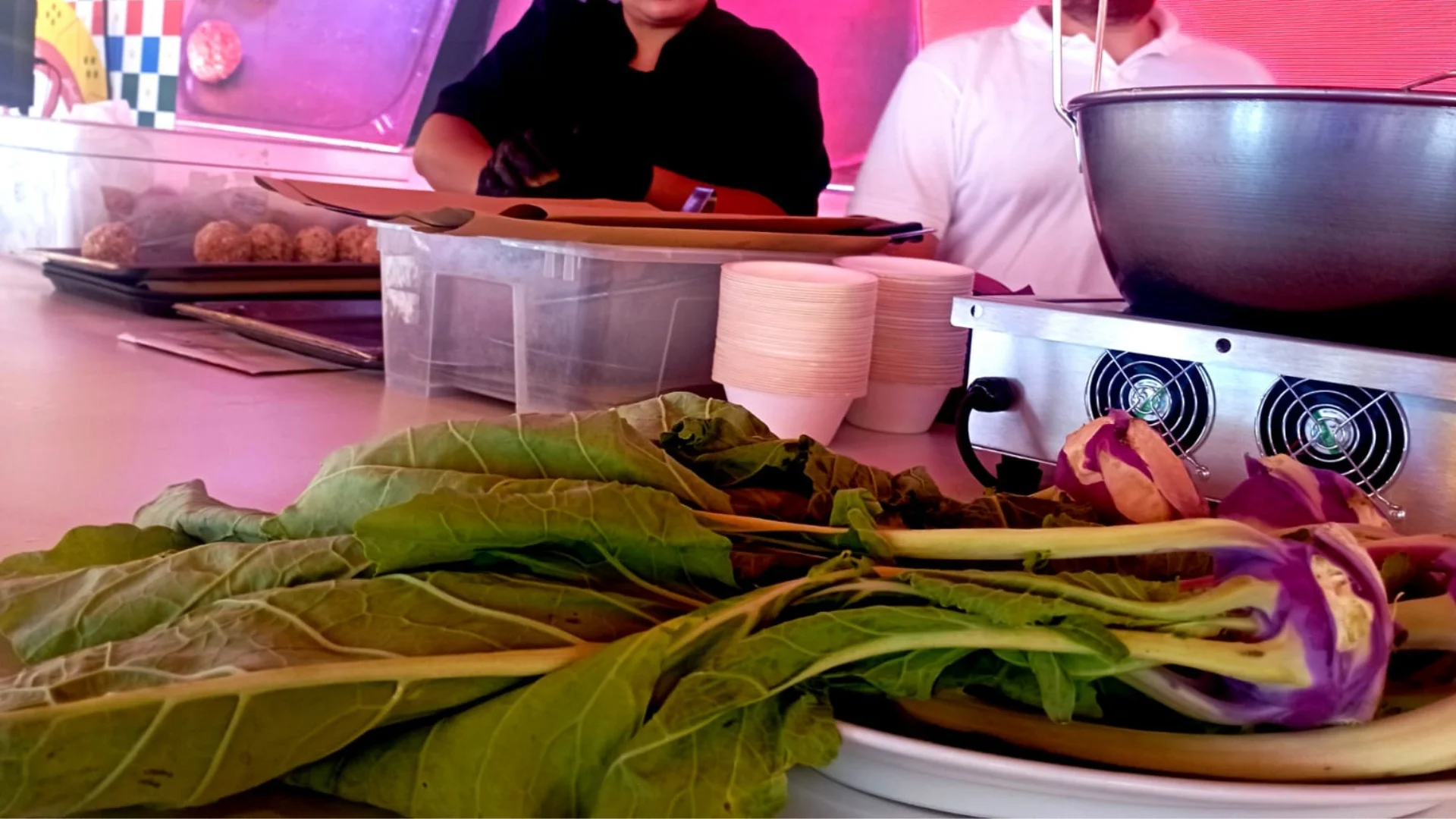
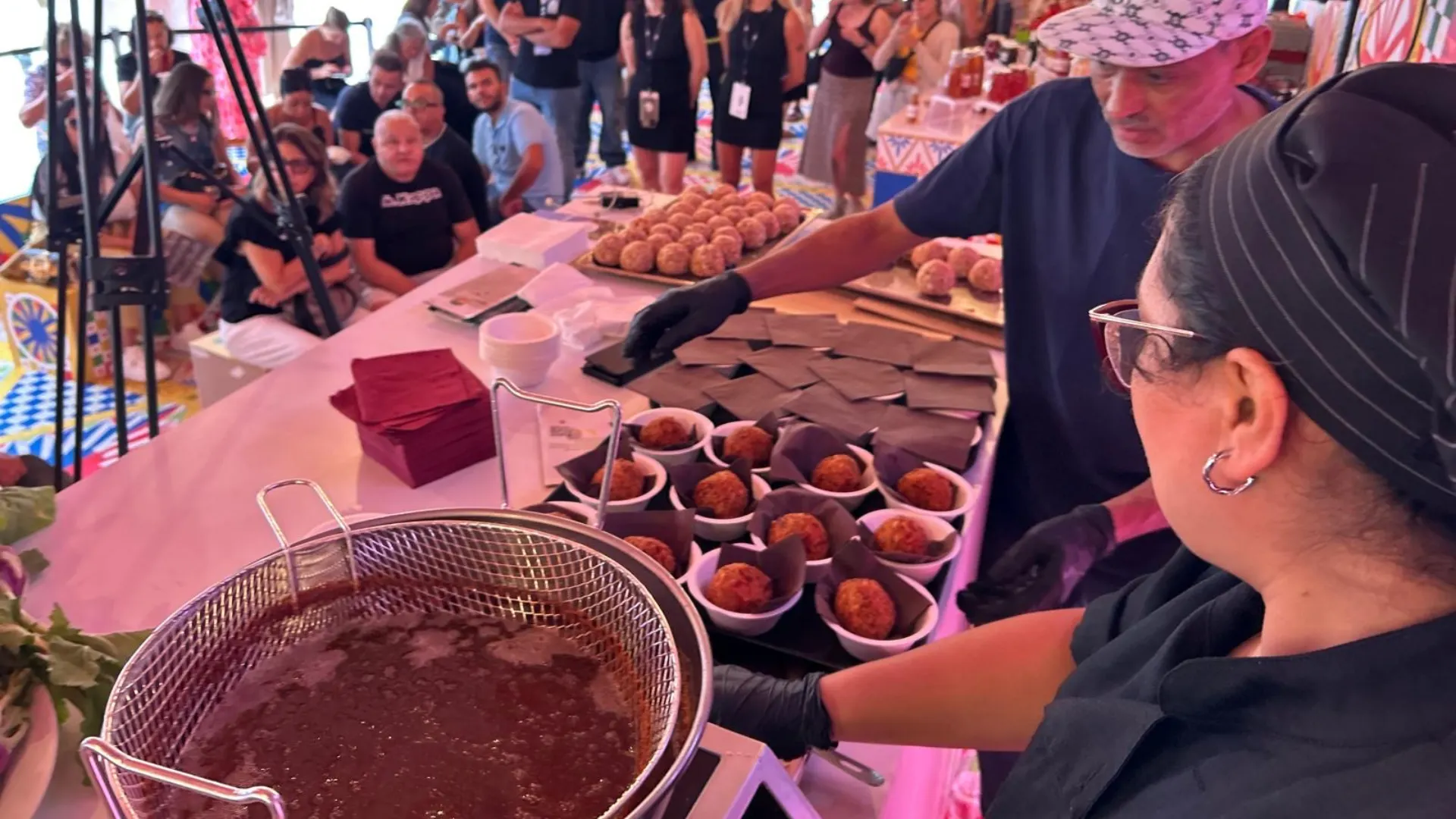
From a marginal vegetable to a star of the table, Cavolo Trunzo di Aci has become the spokesperson for a Sicily that is rediscovering itself through the land. A symbol of resilience and identity that tells the story of a territory capable of preserving tradition while opening itself up to reinvention. Its rebirth is not only agricultural, but also cultural and gastronomic. A virtuous intertwining of memory, innovation and vision that restores dignity to rural knowledge and opens new paths towards authentic, sustainable and conscious eating.
The results can already be seen in the dishes created by chefs in Acireale, who welcome guests with creative offerings based on this signature ingredient. Valeria Raciti (winner of MasterChef 2019) and Salvo Sardo, both from Aci Sant'Antonio, serve it at the Alloro restaurant in Acireale, the first restaurant in the Aci area to be included in the Michelin Guide. Also worth mentioning is Emanuele Serpa and his restaurant Frumento, famous for its gourmet pizzas made with Slow Food Presidia ingredients and ancient flours. On special occasions — including the G7 2024 in Syracuse — Serpa has also offered an arancino with Cavolo Trunzo di Aci, elevating it to the rank of haute cuisine.

Visitare le Aci significa scoprire un concentrato di tipicità uniche attraverso offerte che spaziano dalla tradizione della pasticceria all’innovazione della cucina di chef di primo piano: dalle classiche colazioni con granita e brioche, così note ai locali e così uniche rispetto al panorama italiano e internazionale, ai pranzi di pesce fresco; dalla rosticceria introvabile altrove nella sua forma autentica, come la “tavola calda” siciliana, ai dolci della tradizione. Ogni angolo delle Terre di Aci racconta un gusto, una storia ed un’identità. Ti raccontiamo come potresti impreziosire ogni gustosa giornata e… dove, scorrendo la pagina.
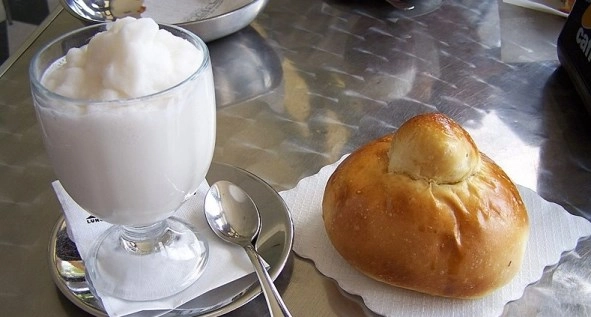
Especially in summer—which in the Aci area lasts climatically between four and six months—the day often begins in the sweetest way: with artisanal granita served with a brioche col tuppo. It is much more than a breakfast: a ritual shared across generations. Among the most beloved pairings are almond and chocolate or coffee, but there is no shortage of flavors such as black mulberry, pistachio, peach, and strawberry, and above all the unmistakable granita made with Etna Lemon PGI. Celebrated on many occasions by the consortium of the same name, it showcases the mastery of true “artisans of the craft” and stands as an emblem of a classic method of preparation that wins over tourists, enthusiasts, and TV hosts time and again. The classic brioche col tuppo, soft and fragrant, takes its name from the traditional Sicilian women’s chignon hairstyle. The custom is to tear off the tuppo first and dip it into the granita, following local tradition. Every pastry shop has its own version: richer in butter, sweeter, with long leavening times, or flavored with vanilla and orange.
Tra una capatina al mare e una passeggiata tra le strade barocche delle Aci, è inevitabile lasciarsi tentare dalla pasticceria locale, dove ogni dolce ha una storia. Corredano le esposizioni cannoli di ricotta, cassatelle e paste di mandorla, tesori di sapore legati a feste religiose e folclore, come anche a ricorrenze e tradizioni familiari tramandate da generazioni. Ma accanto alla tradizione, diversi creativi maestri hanno saputo innovare con originalità e rispetto per il territorio. Tanti meritevoli pasticceri e maestri gelatai hanno saputo elevare a simbolo locale il limone verdello, agrume tipico delle Aci grazie alle “forzature” condotte dagli agricoltori in fase di maturazione. Con semifreddi gelati artigianali, diversi produttori storici locali danno golosa voce a un frutto che parla di estate, di freschezza, di Sicilia jonico etnea autentica. Ogni morso può diventare una scoperta, quasi una porta aperta su un racconto di terra, passione e memoria.
From noon onwards, the Lands of Aci and its cuisine intertwine in a narrative of taste and identity that spans landscapes, villages, and traditions. There are two distinct gastronomic souls, each offering a variety of table delights: the maritime cuisine typical of the seaside villages, and the rustic, convivial cuisine of the historic heart of the Aci area. Among the renowned seaside restaurants, where the fresh catch of the day takes center stage, it’s easy to enjoy Mediterranean seafood with shellfish and cliffside specialties, presented in tasting experiences that are always new and challenging.
And how could one not mention the osterias that have marked Acireale’s history—historic local establishments, celebrated by both residents and tourists for their hospitality, genuine cuisine, and generous portions, almost like living archives of memory. Fresh fish dishes, homemade pasta, and traditional specialties make the Aci area a must-visit for anyone wanting to savor authentic flavors in a familiar, welcoming atmosphere, as if time had paused in this slice of Eastern Sicily, perfect for a memorable snapshot.
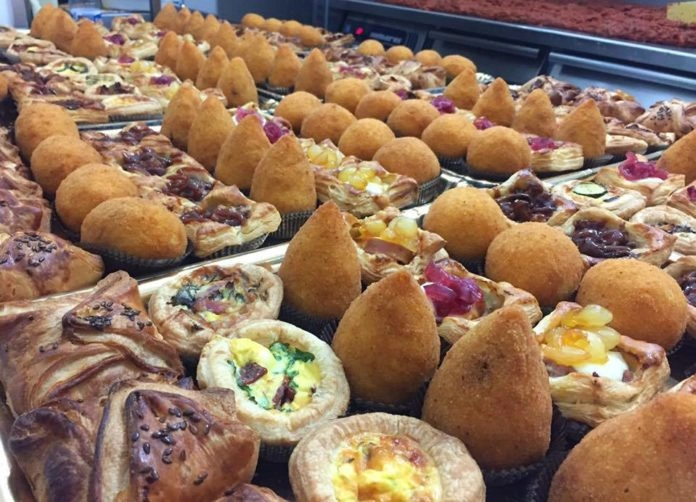
Nel cuore del pomeriggio, ma per la verità a qualunque ora utile ai tempi digestivi nostrani, la risposta agli appetiti più golosi è la citata tavola calda, se possibile con rivisitazioni in chiave moderna che custodiscono storia e sfidano la modernità. Re indiscusso è l’arancino (nelle Aci il genere maschile non si discute), ripieno di ragù, burro ma anche in varianti creative come funghi o salmone. Un esempio d’eccellenza innovativa? Senza dubbio quello al cavolo trunzo, peraltro come presentato anche al G7 di Siracusa nel 2024, portando in una sede internazionale un prodotto che è emblema del territorio. Accanto agli arancini, non mancano cipolline, cartocciate, pizzette e bombe salate: un vero tour del gusto in formato tascabile, che esiste solo qui in Sicilia e ha trovato in diversi locali una perfetta sintesi di peculiarità tradizionale spinta verso creatività a base di presidi slow food e nuove frontiere della “tavola calda” nostrana.
Among many distinctive offerings, there are restaurants that deserve a spot in the Michelin Guide, leaving nothing to chance in terms of courtesy, elegance, and presentation. Renowned chefs in the Aci area stand out on multiple occasions for their territorial cuisine paired with ambitious innovative paths, particularly in the delicious use of Cavolo Trunzo di Aci, a Slow Food presidium, interpreted in refined and authentic dishes. Cavolo trunzo, with its bold flavor and rich beneficial properties, has become the symbol of a new gastronomic awareness, combining remarkable organoleptic qualities—now the subject of advanced studies—with a centuries-old sense of identity pride. For a tasty pizza, the Aci area offers numerous typical and panoramic venues: some stand out for their dedication, winning awards for long-fermented doughs and near-zero kilometer ingredients, embodying a slow food philosophy where pizza becomes a canvas telling the story of the territory, featuring pistachio, wild thyme, cavolo trunzo, and many other standout ingredients.
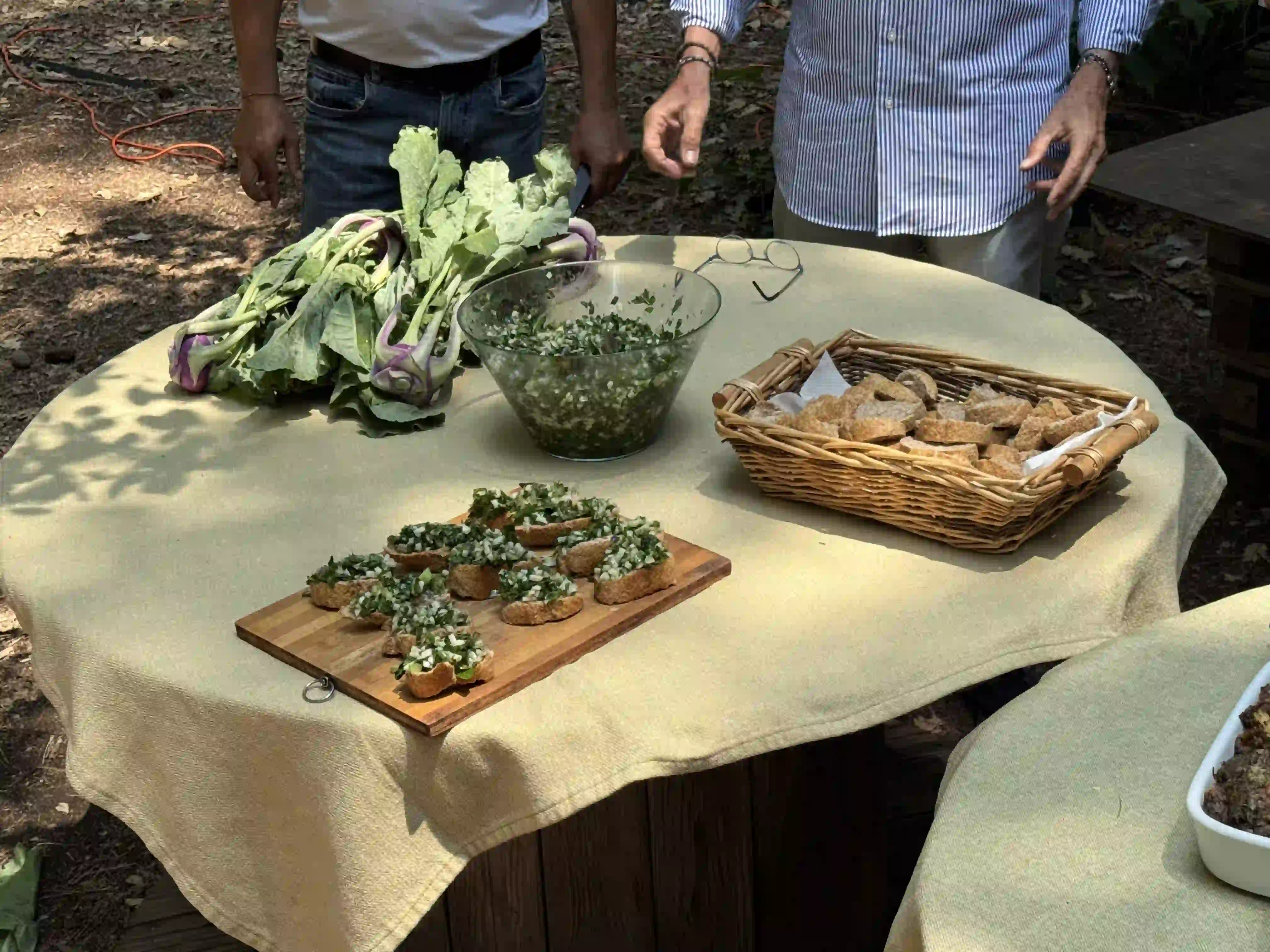
Visiting the Aci area is not just about admiring the sea stacks or strolling through Baroque alleys. It is also about letting your palate guide you, from the renowned cheeses of Aci Bonaccorsi to the enviable fresh catch, all the way to discovering the most authentic soul of these Ionian-Etnean corners of Sicily, among which stand out the lupini di Aci Catena, a local “superfood” from the Piano Reitana area. From the fragrant brioche of the traditional tavola calda to the creations of contemporary chefs, every flavor holds a story of memory, land, and passion. The advice for the curious traveler is simple: sit down calmly, exchange a few words with those who cook, and let yourself be guided. Here, food remains intimate and convivial—an invitation to explore local traditions, seasonality, and the creativity that can reinvent even a humble vegetable like cavolo trunzo. Dining in the Aci area is, ultimately, one of the most profound ways to truly experience it.
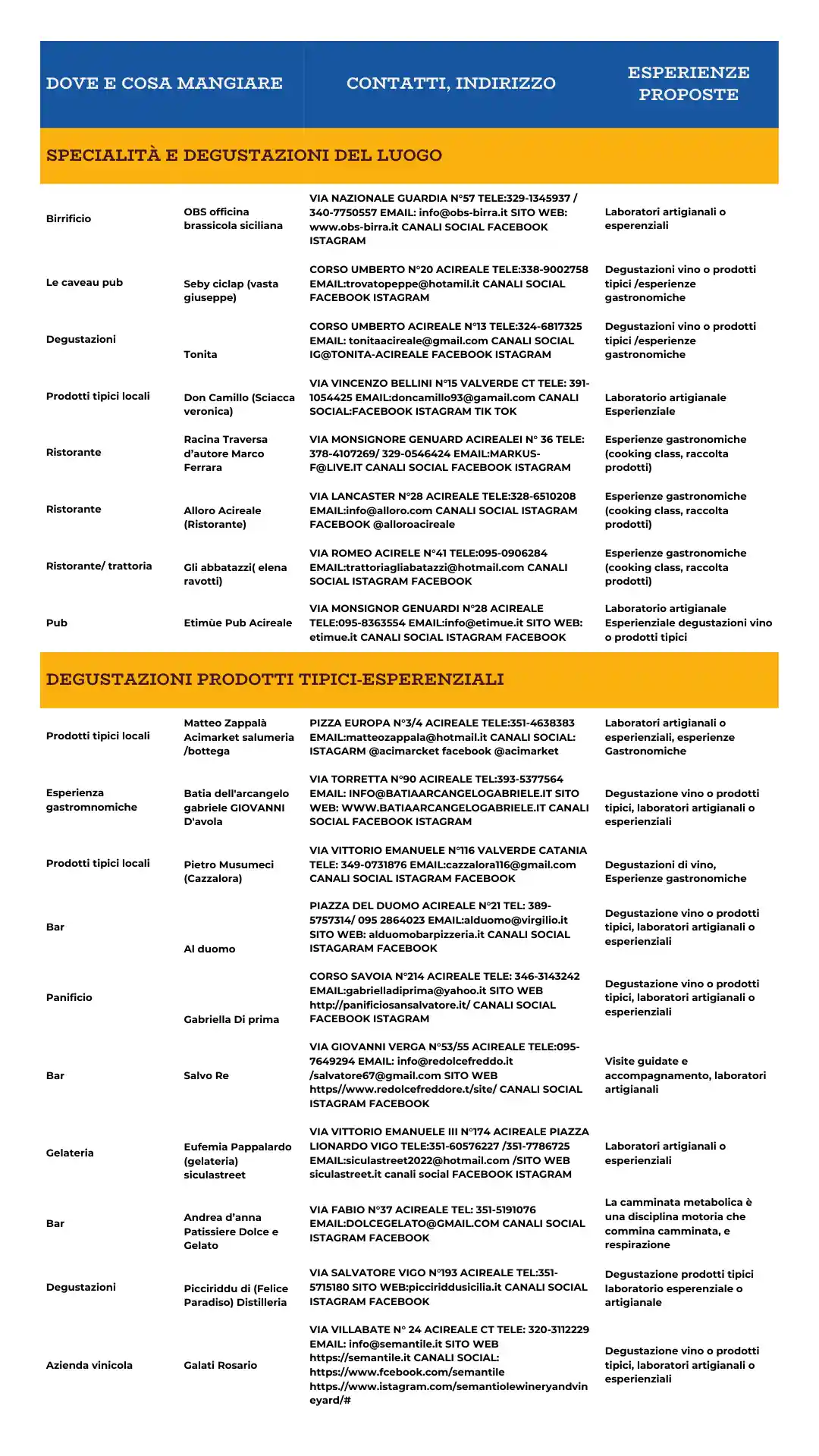
Here is a selection of recommendations from local operators who have made their contacts available to travelers thanks to GAL Terre di Aci:
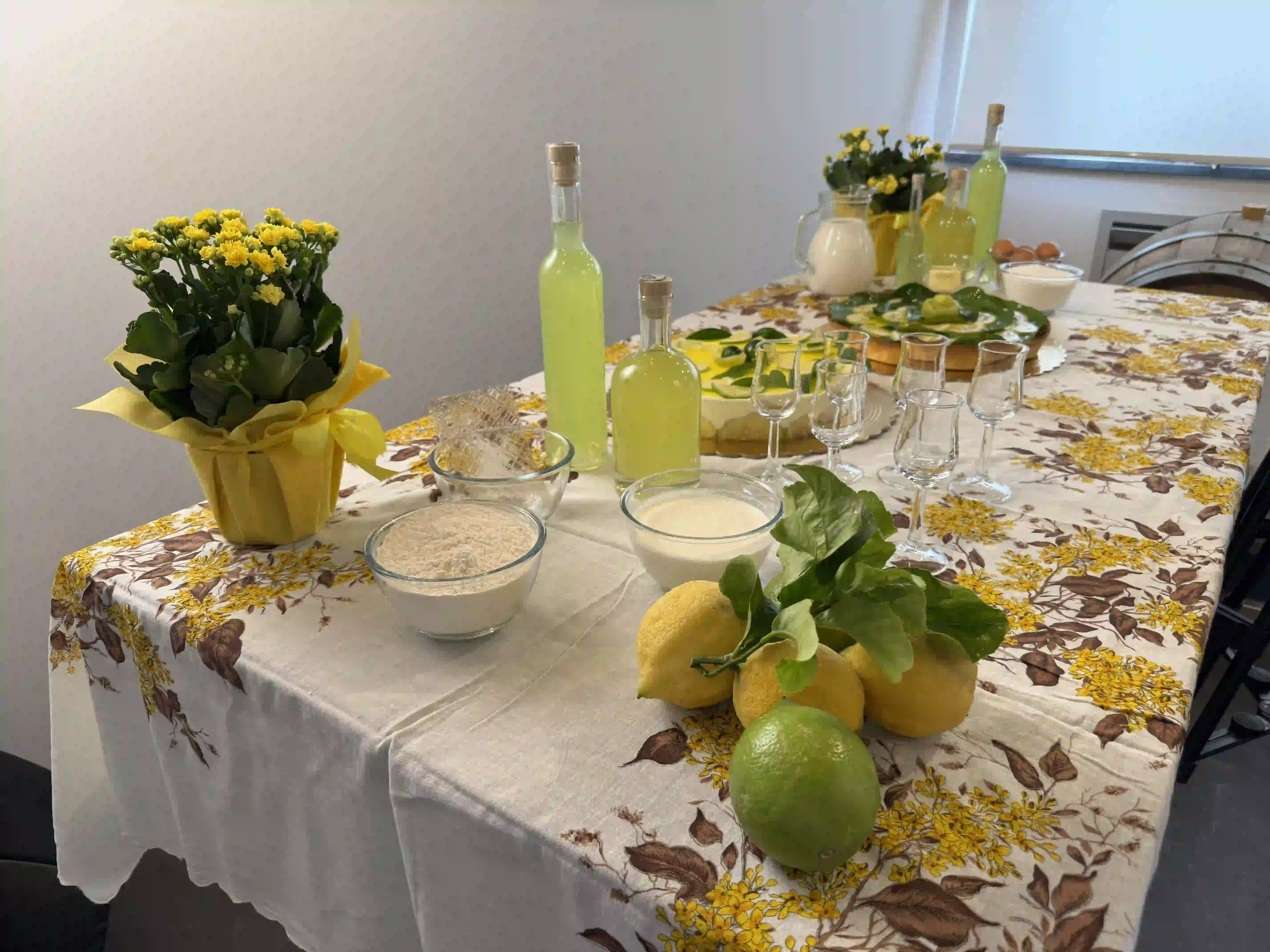
Le cooking class di Casa Planeta offrono un'immersione nella tradizione culinaria siciliana, guidate dallo chef Angelo Pumilia. In una cucina luminosa con vista sui vigneti e sul mare, i partecipanti apprendono ricette tramandate da generazioni, esplorando l'arte della preparazione e della presentazione dei piatti.
Partecipare a una cooking class di Casa Planeta significa vivere un'esperienza autentica, dove la passione per la cucina si fonde con l'amore per la terra. Un'occasione per scoprire i sapori, i profumi e le storie che rendono unica la tradizione gastronomica siciliana.
Un'opportunità imperdibile per esplorare la Sicilia più autentica attraverso la sua cucina.

La Valle del Belice è un territorio dove il tempo sembra scorrere al ritmo delle stagioni agricole. Qui, l’olivo Nocellara del Belice domina il paesaggio con il suo fogliame argentato e i suoi tronchi nodosi. Da questa varietà pregiata nasce uno degli oli extravergine più rinomati al mondo, DOP dal 1998, simbolo di un’identità culturale ed economica profondamente radicata.
L’oleoturismo in questa parte di Sicilia offre molto più di una semplice visita guidata: è un’immersione nella vita contadina, un dialogo silenzioso con la terra. Si può partecipare a:
Il periodo migliore per vivere l’oleoturismo nella Valle del Belice è tra ottobre e novembre, durante la raccolta delle olive. In questo periodo molte aziende aprono le loro porte ai visitatori, offrendo esperienze partecipative come la raccolta a mano e la molitura tradizionale.
L’olio qui non è solo un prodotto, ma un patrimonio culturale. Ogni bottiglia racconta una storia fatta di fatica, conoscenza tramandata e rispetto per l’ambiente. L’oleoturismo diventa così un mezzo per valorizzare l’agricoltura sostenibile e promuovere un turismo lento, consapevole, rispettoso delle comunità locali.
Con Rural Sicily puoi scoprire esperienze oleoturistiche autentiche nella Valle del Belice: itinerari personalizzati, visite in aziende agricole a conduzione familiare, eventi stagionali e percorsi didattici. Un modo per entrare in contatto con l’anima più vera della Sicilia, camminando tra ulivi millenari e assaporando il frutto più prezioso di questa terra.
The lupin bean of Aci Catena represents an agricultural and cultural excellence of eastern Sicily, a symbol of a farming tradition that has its roots in time. Belonging to the Fabaceae family, it finds a particularly favourable natural habitat in the Aci area. From an agronomic point of view, it stands out for its extraordinary adaptability: we are talking about a real “superfood”. It grows in almost all climates, is resistant to cold and thrives even in poor, sandy and loose soils; it prefers sub-acidic or acidic soils, avoiding sub-alkaline or alkaline ones. Thanks to the volcanic nature of the soil of Mount Etna, with its fertile and mineral-rich soils, and a mild climate, this crop thrives easily in the area.
Historically considered a poor man's food, it is now recognised as a valuable source of nutrients. Rich in vegetable protein, it also contains a good amount of soluble and insoluble fibre, which is beneficial for intestinal regularity and cholesterol control. It is naturally gluten-free and is a suitable choice for those following vegetarian, vegan or gluten-free diets. From a nutritional point of view, lupin also offers a balanced combination of omega-3 and omega-6, as well as vitamin E and minerals such as manganese, iron and zinc. It also contains gamma conglutinin, a protein with an insulin-mimetic effect that can help regulate blood sugar levels. These properties make lupin an ally in the prevention of cardiovascular and metabolic diseases. It is no coincidence that in recent years it has also been re-evaluated in the medical and zootechnical fields. It is considered a natural alternative to soya in organic feed.
Lupin seeds require careful processing before they can be consumed, as they contain bitter alkaloids which, if present in high concentrations, can be toxic: traditionally, they are soaked for a long time, then boiled and left to rest in salted water. This removes these unpleasant substances and makes the legume safe and tasty. In recent years, thanks to the spread of sweet lupin varieties, the presence of alkaloids has been significantly reduced, simplifying their preparation. In addition, modern hygiene standards require them to be sold in sealed packages, unlike in the past. Previously, lupins were sold loose in characteristic “bachi” and packaged by hand with straw paper, according to an ancient tradition.
In the heart of the Reitana area, in Aci San Filippo, a hamlet of the Municipality of Aci Catena, the artisanal processing of lupines has been passed down for over 250 years, thanks in large part to the historic commitment of the Chiarenza family. During the difficult times of the war, processed lupines even served as a form of barter between families in the towns of the Etna area. This legume, symbol of the Aci valley, was for a long time considered a food of the less affluent social classes. Cultivation was mainly concentrated in the Reitana district, where lupines grew spontaneously or with minimal care, and a few artisanal establishments managed their processing. Today, only one such establishment remains in the area, open mainly on weekends, preserving this ancient tradition, located in Piazza Reitana, within the territory of Aci Catena. Lupines are also still available at the historic market in Piazza Marconi, Acireale, known as ‘a piscaria’. The area is further connected to the famous writer Giovanni Verga, who, during visits to his friend the poet Francesco Guglielmino in Aci San Filippo, found inspiration for his novel “I Malavoglia”. In 2016, to promote this typical product, the "Golden Lupine" Award was established, a recognition celebrating its value at both local and national levels. Today, the lupine of Aci Catena embodies the essence of a territory where peasant memory intertwines with contemporary valorization. The rediscovery of this ancient crop not only preserves a precious agri-food heritage but can also become a driver for new opportunities in cultural and gastronomic promotion across eastern Sicily.

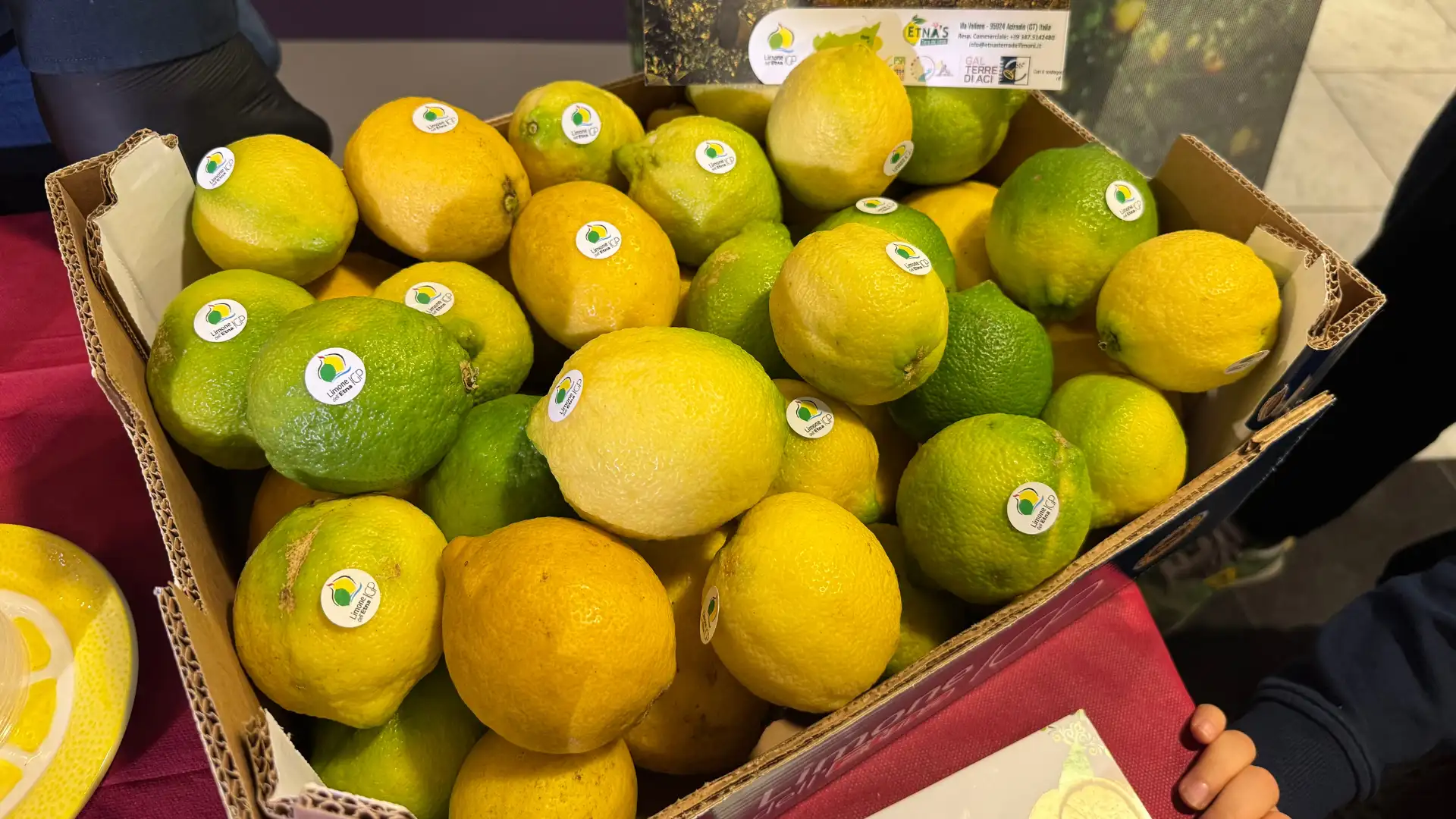
Il Limone dell’Etna IGP si distingue in diverse varietà, ciascuna con caratteristiche morfologiche e organolettiche specifiche:
Tutte le tipologie si distinguono per il tipico aroma agrumato dato dal citrale e un succo dal colore giallo brillante.
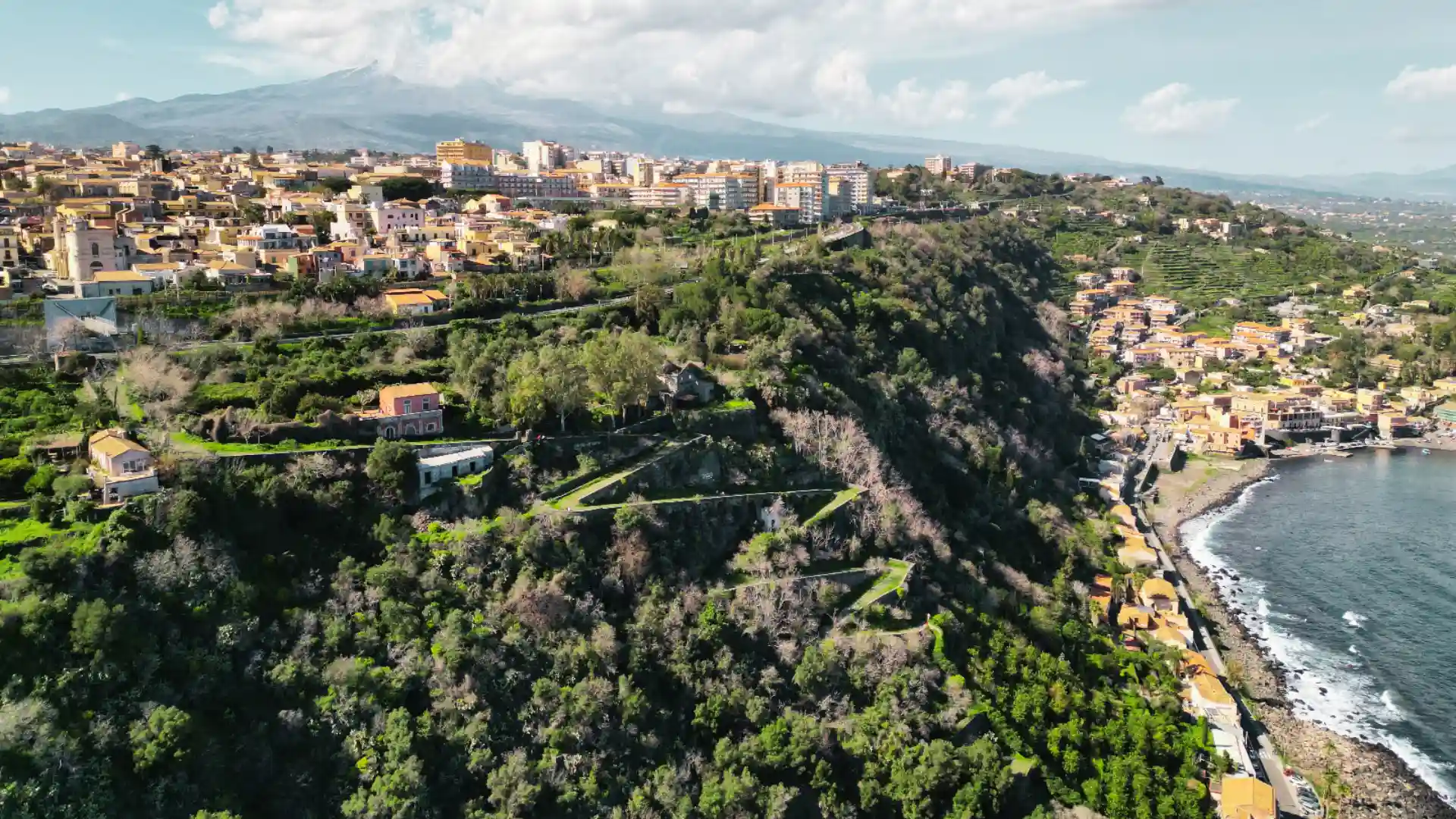
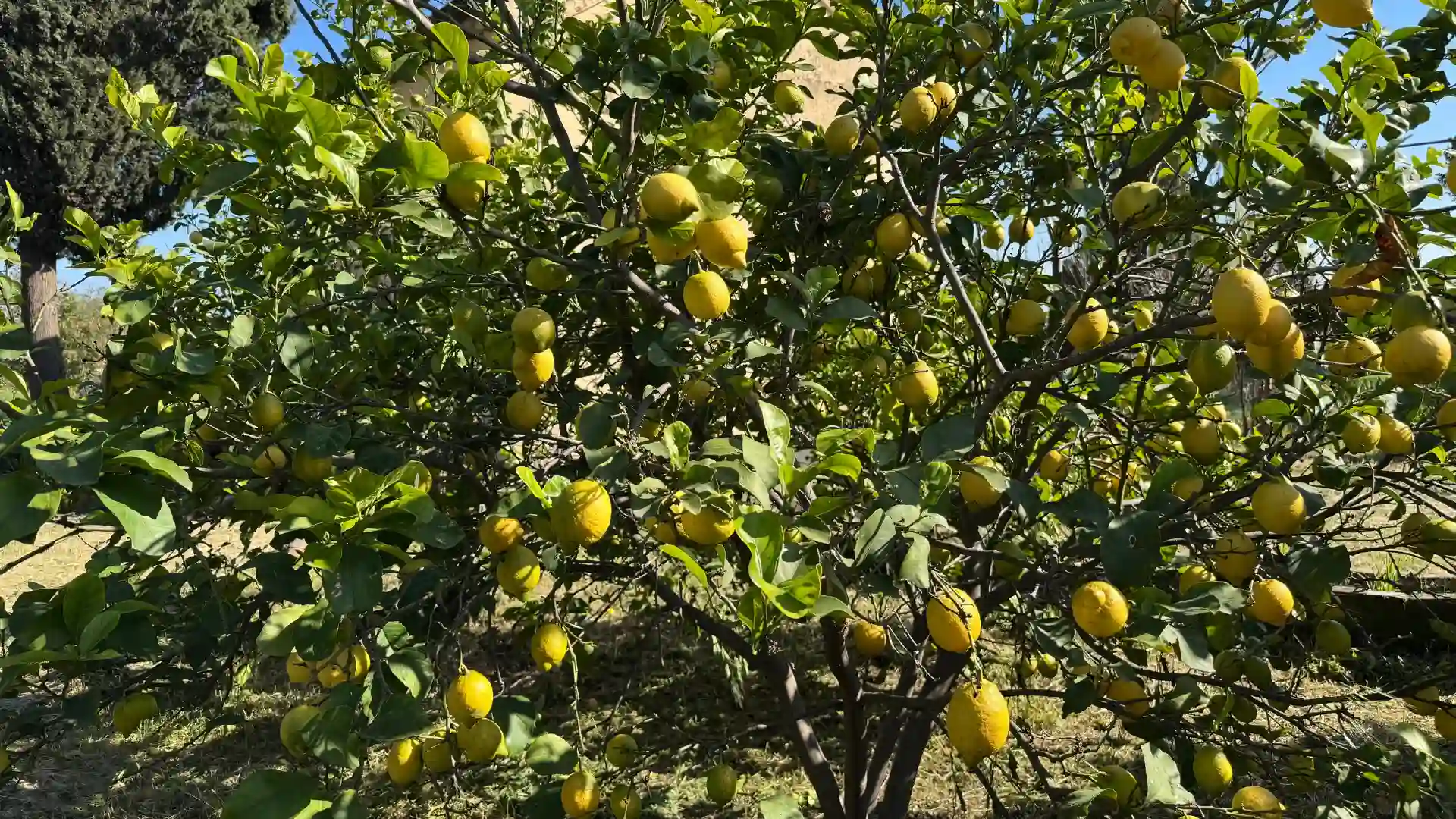
Il Limone dell’Etna rappresenta un legame profondo tra agricoltura e territorio.
La sua coltivazione, frutto di una tradizione secolare, è custodita dalle comunità della fascia jonico-etnea.
Il riconoscimento IGP ha permesso di tutelarne le varietà, rafforzarne l’identità e garantirne la qualità sul mercato nazionale e internazionale. Il marchio non solo ne certifica l’origine, ma protegge un patrimonio culturale e ambientale.
Apprezzato per le sue proprietà terapeutiche e per l’alto contenuto di citrale, il Limone dell’Etna è ideale fresco, come condimento o ingrediente in ricette dolci e salate.
La sua buccia profumata è perfetta per la preparazione di granite, gelati, dolci e bevande.
Tipica delle Aci è la bevanda a base di seltz, limone e sale, da gustare nei tradizionali chioschi della zona.
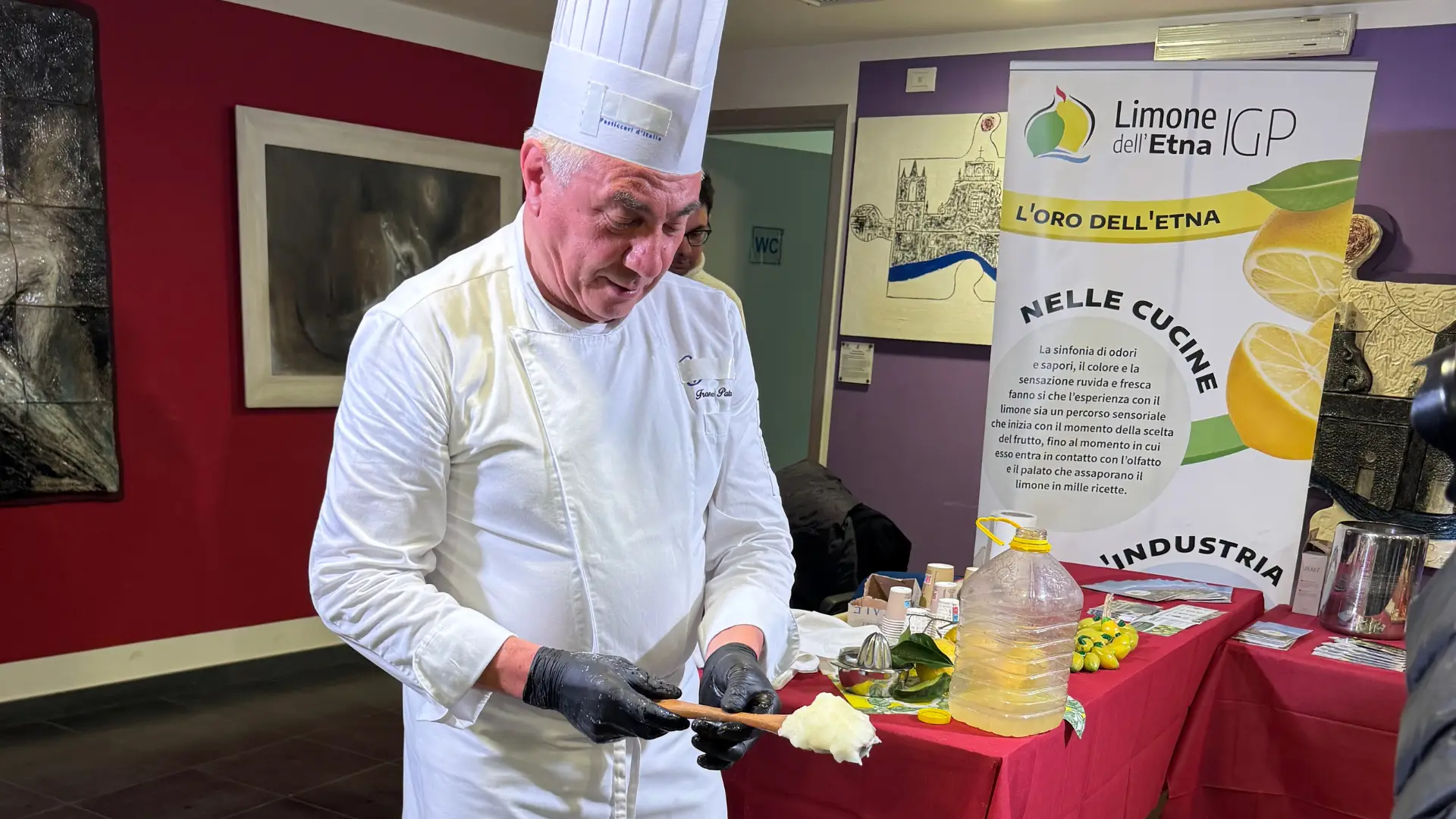
Tra i maestri che valorizzano questo agrume:
Franco Patanè, storico gelatiere, e Andrea D’Anna, autore del celebre dolce al Limone Verdello,
reperibile nella sua rinomata pasticceria di Acireale.
C'è un ricco patrimonio gastronomico da scoprire nel cuore della Sicilia: quello delle Terre del Nisseno, dove la cucina si intreccia con la memoria e la terra. Questa regione, custode di antiche tradizioni culinarie, offre un’esperienza sensoriale unica che racconta la storia e l’anima di un territorio generoso e autentico.
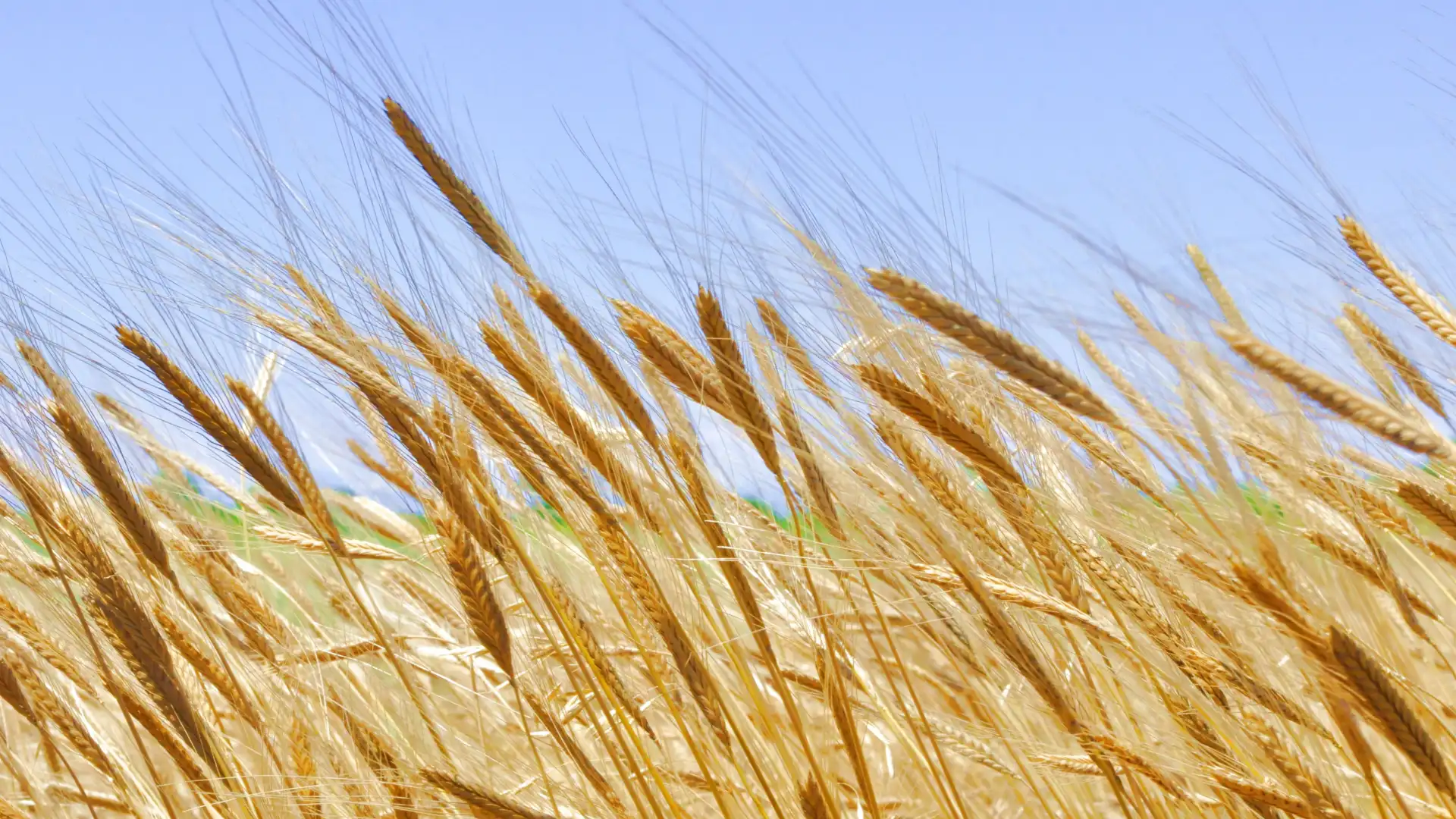
Le colline dorate del Nisseno ospitano grani antichi come Russello, Timilia (Tumminia), Perciasacchi (Farrolungo), Maiorca e Bidì, coltivati con metodi tradizionali e rispettosi dell’ambiente. Questi grani sono la base per un pane dal sapore intenso, impastato a mano e cotto nei forni a legna secondo la tradizione.
L’olio extravergine d’oliva del Nisseno, ottenuto da varietà autoctone come Biancolilla e Nocellara, sprigiona profumi intensi di macchia mediterranea e un gusto fruttato con note piccanti che arricchisce ogni piatto.
I vigneti del territorio producono vini di alta qualità grazie al clima mediterraneo e ai suoli argilloso-calcarei, ideali per vitigni come Nero d’Avola e Syrah. Identità, sapore, profumo e tradizione si fondono in autentici percorsi del gusto che evocano un passato ancora vivo.
I pascoli rigogliosi della regione danno origine a formaggi d’eccellenza, prodotti con tecniche tramandate da generazioni. La tuma, primo formaggio ottenuto dal latte, si trasforma nel celebre caciocavallo palermitano, dalla forma tipica e sapore deciso. La ricotta, fresca o salata, è un simbolo del territorio, usata tanto nei piatti salati quanto nei dolci come il cannolo siciliano o la cassata: veri capolavori della pasticceria locale.
I formaggi di capra delle Terre del Nisseno hanno origini antichissime. Il latte di capra, nutriente e facilmente digeribile, è stato per secoli una risorsa preziosa per le comunità rurali, contribuendo alla loro sussistenza e cultura gastronomica.
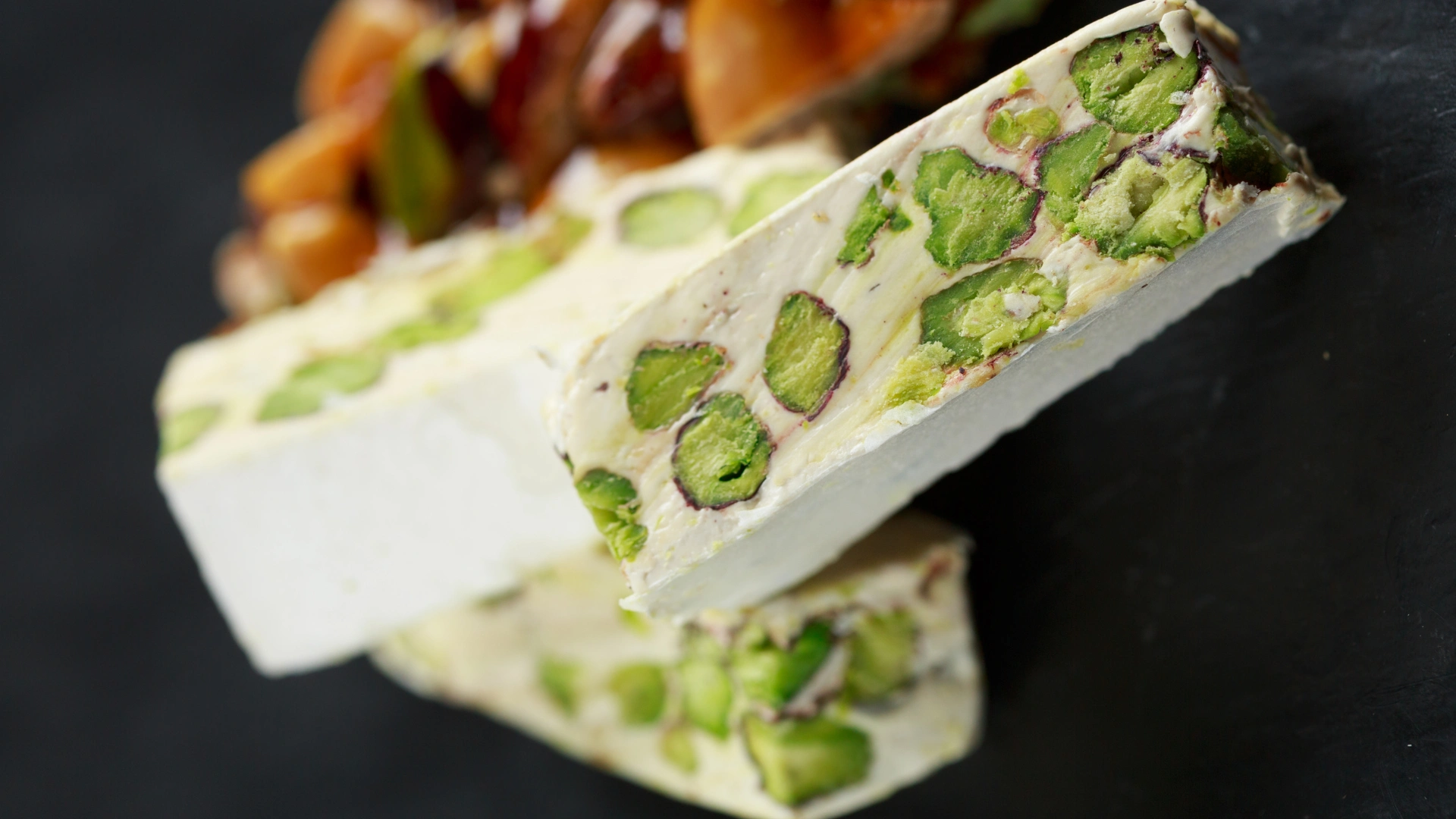
Il celebre torrone di Caltanissetta merita una menzione speciale. Prodotto artigianalmente secondo antiche ricette, unisce miele locale a mandorle e pistacchi del territorio per un equilibrio unico di consistenza e sapore—né troppo duro né troppo morbido. Durante le festività, in particolare a Natale, il profumo del torrone appena fatto invade le vie dei borghi, segnando l’inizio di un rituale gastronomico secolare.
Visitare il Nisseno significa intraprendere un viaggio che nutre corpo e anima. Specialità tradizionali come:
Ogni boccone racconta una storia di famiglia, terra e passione—un’esperienza gastronomica che resta impressa nel cuore e nella memoria.
Che tu sia un viaggiatore gourmet o un semplice amante del buon cibo, il Nisseno ti aspetta con esperienze autentiche dove il cibo è il mezzo per scoprire l’anima più profonda della Sicilia centrale.
Su Discovering Rural Sicily puoi esplorare itinerari enogastronomici, scoprire eventi a tema, prenotare esperienze e conoscere chi ogni giorno coltiva, cucina e custodisce l’eccellenza di questa terra.
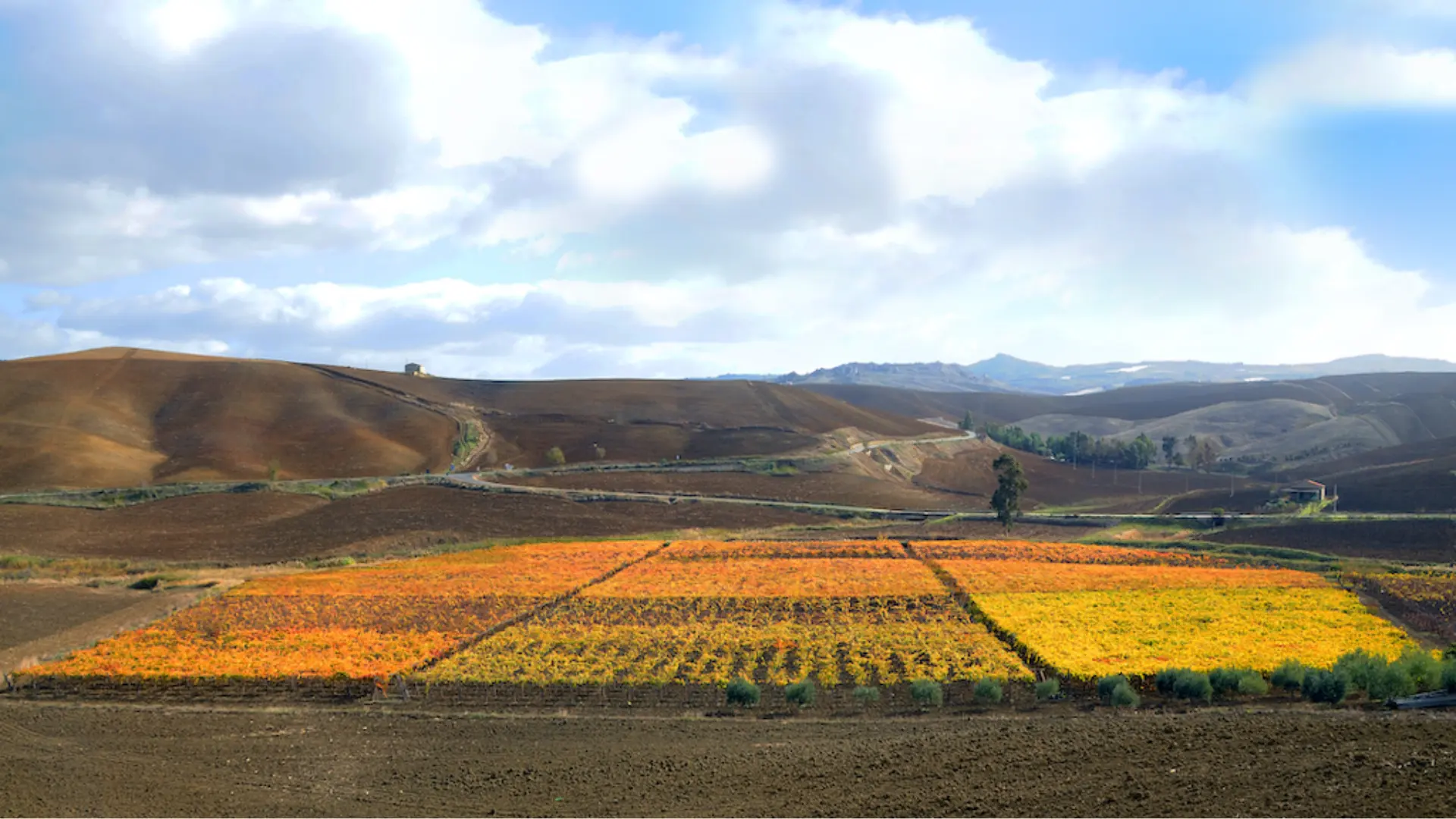
The Lands of Nisseno, located in the heart of Sicily, are one of the ideal destinations for those seeking an authentic rural tourism experience. Here, every journey becomes an immersion into unspoiled hilly landscapes, farming traditions, local craftsmanship, and genuine flavors. Still far from mass tourism, this area is perfect for travelers looking for a direct connection with the region’s nature, culture, and people.
In the Lands of Nisseno, visitors are not mere spectators but active participants. They can:
These activities are designed to fully immerse visitors in an authentic rural lifestyle, ideal for couples, families, and small groups seeking experiential tourism in Sicily.
The heart of the experience is food. The agri-food products of the Lands of Nisseno tell the story of the land: extra virgin olive oil, wine, ancient Sicilian grains, and traditional cheeses. Many local farms offer:
Perfect activities for those who want to closely explore the excellence of sustainable Sicilian agriculture.
Staying in the Lands of Nisseno means joining a network of widespread rural hospitality: farm stays, countryside holiday homes, restored farmhouses, and eco-museums that tell the story of the land. Walking, cycling, or horseback riding along the Sicilian rural trails allows for a slow and meaningful exploration of the region.
Tra uliveti, vigneti e campi di grano, ogni scorcio diventa un invito a riconnettersi con il paesaggio — e con sé stessi.
Discover itineraries, farms, events, and immersive experiences on Discovering Rural Sicily, the dedicated portal for rural tourism in Sicily.
Let yourself be guided by the land’s slow rhythm. The Lands of Nisseno are waiting for you.
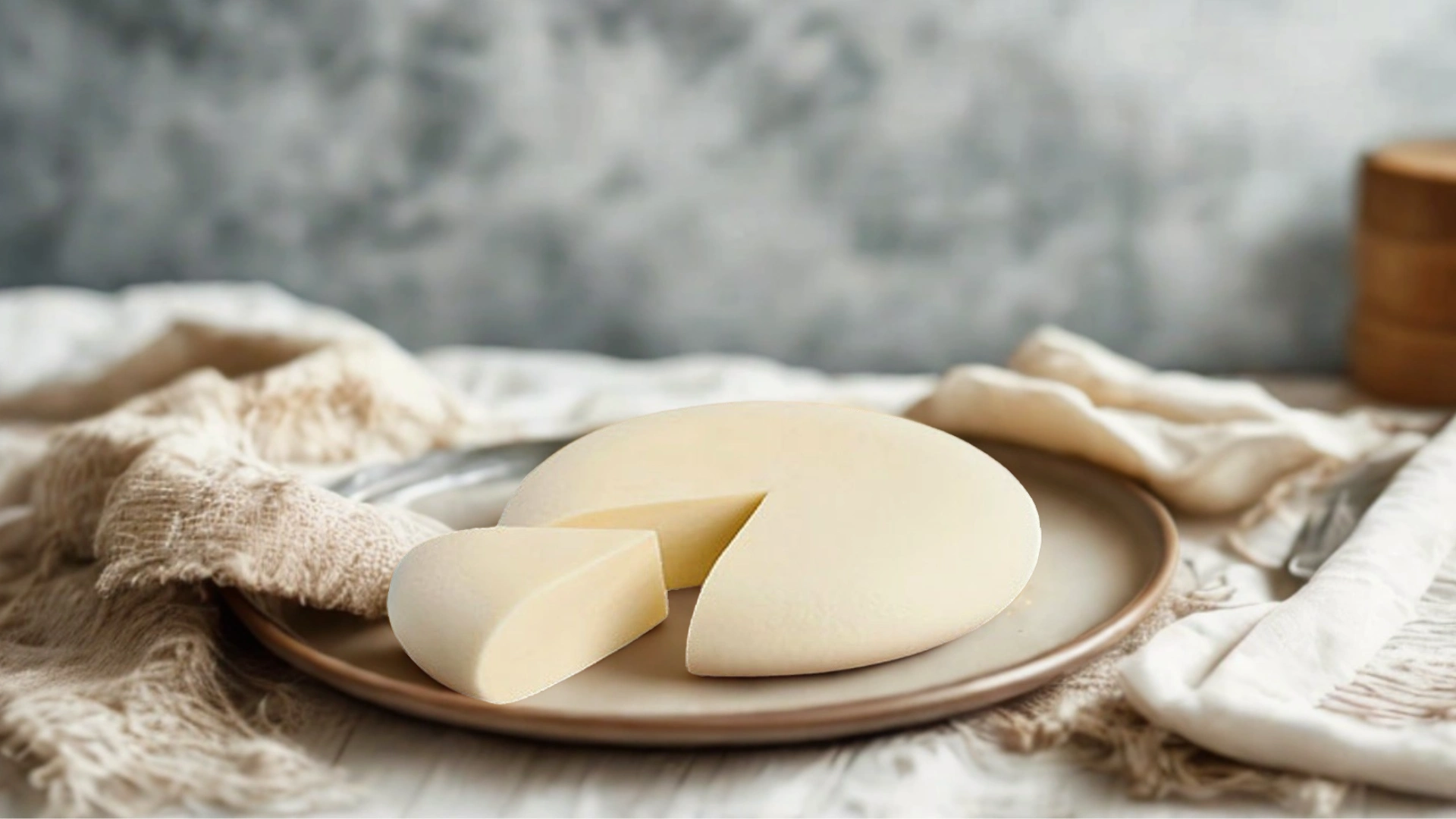
A unique cheese in the world, a valley steeped in millennia of history, and a project that boldly looks to the future. This is the beating heart of Sicily Rural Lab, the initiative promoted by the GAL Valle del Belìce as part of the Discovering Rural Sicily program, dedicated to the promotion of Vastedda del Belìce DOP: the only filata sheep's milk cheese to have obtained the European Protected Designation of Origin (PDO) mark.
Presentato presso il MAC di Gibellina, il progetto ha coinvolto sei aziende locali in un percorso virtuoso di certificazione ISO 22000, volto a garantire elevati standard di sicurezza alimentare e rafforzare la competitività dei prodotti rurali siciliani sui mercati nazionali e internazionali.
Tra le azioni più innovative, spicca la realizzazione di un packaging moderno e identitario: una scatola nera elegante ispirata alle maioliche siciliane, pensata per posizionare la Vastedda del Belìce tra le eccellenze gastronomiche nei negozi gourmet e botteghe del gusto. A questo si affianca la creazione di un e-commerce dedicato, con un sito web che racconta la storia, la lavorazione artigianale e la filiera corta della Vastedda, offrendo un’esperienza autentica di acquisto online dei prodotti tipici siciliani.
La Vastedda del Belìce DOP è molto più di un prodotto caseario: è una testimonianza viva della tradizione pastorale siciliana. Lavorata interamente a mano – dalla trasformazione del latte crudo alla filatura su strumenti in legno – rappresenta un unicum nel panorama agroalimentare italiano. Grazie al suo gusto delicato ma deciso, e alla presenza di fermenti lattici attivi, è un ingrediente versatile e sempre più scelto anche dai cuochi gourmet come alternativa alla mozzarella, soprattutto nel mondo della pizza d’autore e dell’alta cucina siciliana.
The initiative is part of the broader Discovering Rural Sicily project. The goal? To enhance rural areas through integrated actions between tourism, agriculture, local traditions, and digital innovation.

Subscribe to our newsletter to stay updated on all the latest experiences.