Situato nel cuore del Bosco Finestrelle a Santa Ninfa, il Parco NaturAvventura Finestrelle è il primo parco avventura in Sicilia dotato del sistema di sicurezza COUDU PRO, garantendo un'esperienza sicura per adulti e bambini a partire dai 3 anni. I percorsi, regolati dalla normativa EN 15567, offrono sfide adatte a tutte le età, con attività che spaziano dal free climbing all'uso di tirolesi e ponti sospesi.
Oltre ai percorsi acrobatici, il parco propone:
La Riserva Naturale Grotta di Santa Ninfa, gestita da Legambiente Sicilia, si estende su un altopiano carsico di circa 140 ettari. La zona A comprende la grotta di origine carsica lunga 1,5 km, mentre la zona B abbraccia la Valle del Biviere, caratterizzata da doline, karren e una ricca biodiversità. Le escursioni guidate permettono di esplorare questi ambienti unici, con partenza dal Castello di Rampinzeri.
Tra i percorsi consigliati:
Questi itinerari offrono un'immersione totale nella natura, ideali per escursionisti di tutti i livelli.
Combinare una giornata al Parco NaturAvventura Finestrelle con un'escursione nella Riserva Naturale Grotta di Santa Ninfa rappresenta un'opportunità unica per vivere la Sicilia più autentica. Un connubio perfetto tra avventura e contemplazione, adatto a famiglie, gruppi e amanti della natura.
Scopri la bellezza nascosta della Valle del Belice e lasciati sorprendere dalla sua ricchezza naturale e culturale.

Situata a 6 km da Sambuca di Sicilia, MaMaTerra Casa SanGiacomo è un'azienda agricola biologica a conduzione familiare che si estende su 18 ettari di colline coltivate a grano, sulla, ulivi e ospita 15 animali tra pony, asini e altri. Dal 2004, l'azienda adotta pratiche agricole sostenibili e, dal 2024, ha intrapreso un percorso per diventare una fattoria sociale, offrendo esperienze educative e inclusive per tutte le età.
MaMaTerra propone una varietà di attività che combinano apprendimento, manualità e contatto con la natura:
Le attività di MaMaTerra sono pensate per un massimo di 14 partecipanti, garantendo un'esperienza personalizzata e coinvolgente. Le giornate in fattoria sono ideali per famiglie, scuole e gruppi che desiderano vivere un'esperienza autentica nella campagna siciliana.
Un'opportunità unica per avvicinarsi alla natura, apprendere pratiche sostenibili e vivere la Sicilia rurale in modo autentico.

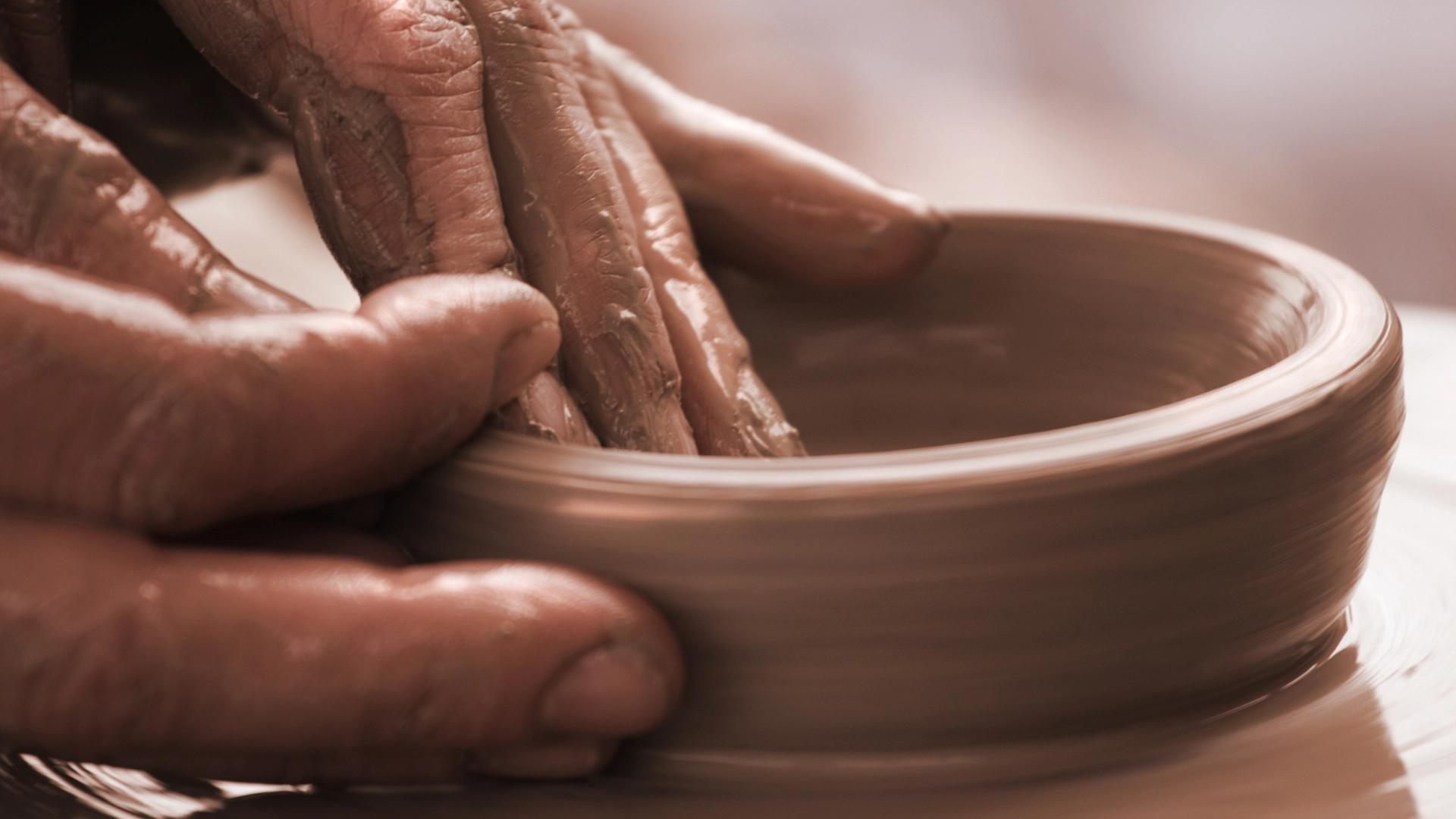
Nel cuore della Valle del Belice, dove il paesaggio racconta storie millenarie di pietra, ulivi e luce, nasce Salemi Ceramics: un laboratorio di ceramica internazionale che unisce il fascino dell’<strong’artigianato contemporaneo con l’atmosfera unica di uno dei borghi più affascinanti della Sicilia.
Gli spazi del laboratorio sono ospitati all’interno del Chiostro di Sant’Agostino, un gioiello architettonico risalente al XV secolo. Tra colonne in pietra, archi gotici e silenziosi cortili interni, prende forma un’esperienza creativa profonda, che si nutre del ritmo lento della natura, della cultura siciliana e dell’energia dell’argilla.
Salemi Ceramics propone corsi intensivi per ogni livello, pensati per trasformare il tempo in Sicilia in un momento di scoperta personale. I programmi includono:
Ogni percorso è accompagnato da momenti di relax, con pratiche di yoga, passeggiate nella campagna trapanese e degustazioni locali.
A Salemi si incontrano viaggiatori, artisti e appassionati provenienti da ogni parte del mondo. Il laboratorio è anche uno spazio di dialogo, dove la tradizione ceramica siciliana si intreccia con linguaggi contemporanei e visioni globali, restituendo oggetti unici che raccontano esperienze, emozioni e connessioni.
Partecipare a un corso di Salemi Ceramics significa molto più che apprendere una tecnica: è un invito a rallentare, a toccare con mano la bellezza della semplicità e a lasciarsi ispirare dai ritmi autentici della Sicilia rurale. Dalla terra nasce la creta, dalla creta nasce la forma, e dalla forma nasce una storia che profuma di Mediterraneo.
The Sanctuary of the Madonna di Valverde, Between Faith and Legend The Sanctuary of the Madonna di Valverde, located in the inland area of the Aci territory, is one of the oldest Marian places of worship in Sicily. Its origin is intertwined with a fascinating legend: the conversion of the bandit Dionisio, who was touched by divine grace following an apparition of the Madonna.
This story, handed down through the centuries, has made the sanctuary a pilgrimage destination and symbol of spiritual rebirth, deeply rooting it in Sicilian folk tradition.
Nel giugno del 1038, durante l’ultimo periodo della dominazione araba in Sicilia, un viandante di nome Egidio fu assalito da un brigante, Dionisio, nell’altopiano della Vallis Viridis. Egidio, devoto della Vergine Maria, invocò la sua protezione. Una voce celeste risuonò nella valle: «Dionisio, deponi quell’arma… e cessa questa vita di brigantaggio».
Il miracolo avvenne: Egidio fu salvo e Dionisio si convertì, scegliendo la via dell’eremitaggio.
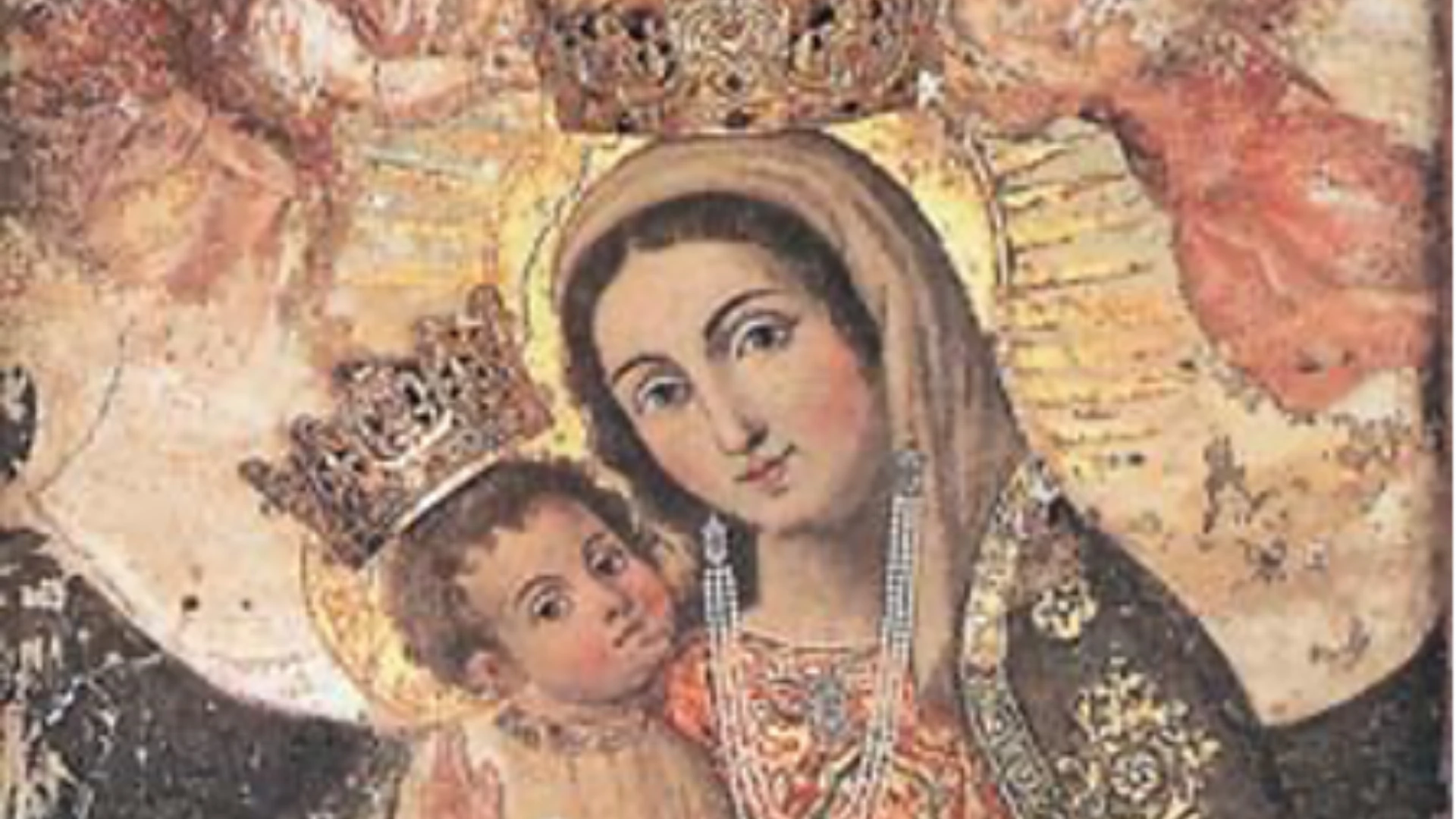
Dionysius had three visions of the Virgin Mary: in the first, she asked him to build a church and involve the priests and the people; in the second, she showed him a miraculous spring that can still be seen today in the Fontana district; in the third apparition, the Virgin Mary appeared to him on a cloud, crowned and holding the Child in her arms. Her image was miraculously imprinted on a pillar of the sanctuary, which is now venerated with great devotion.
The sanctuary has its roots in the 13th century, when the population built a small church around a votive shrine dedicated to the Virgin Mary. The presence of the Confraternity of Mercy is documented as early as 1223, confirming the long history of worship.
In 1296, the sanctuary was consecrated at the behest of Frederick II of Aragon. In 1446, it was granted the title of sacramental church. A major expansion followed in the 16th century and, after the disastrous earthquake of 1693, it was rebuilt with the addition of a convent, at the behest of Prince Stefano Riggio, and entrusted to the Discalced Augustinians. The miraculous pillar remained intact, with only a single crack on the Virgin's halo.
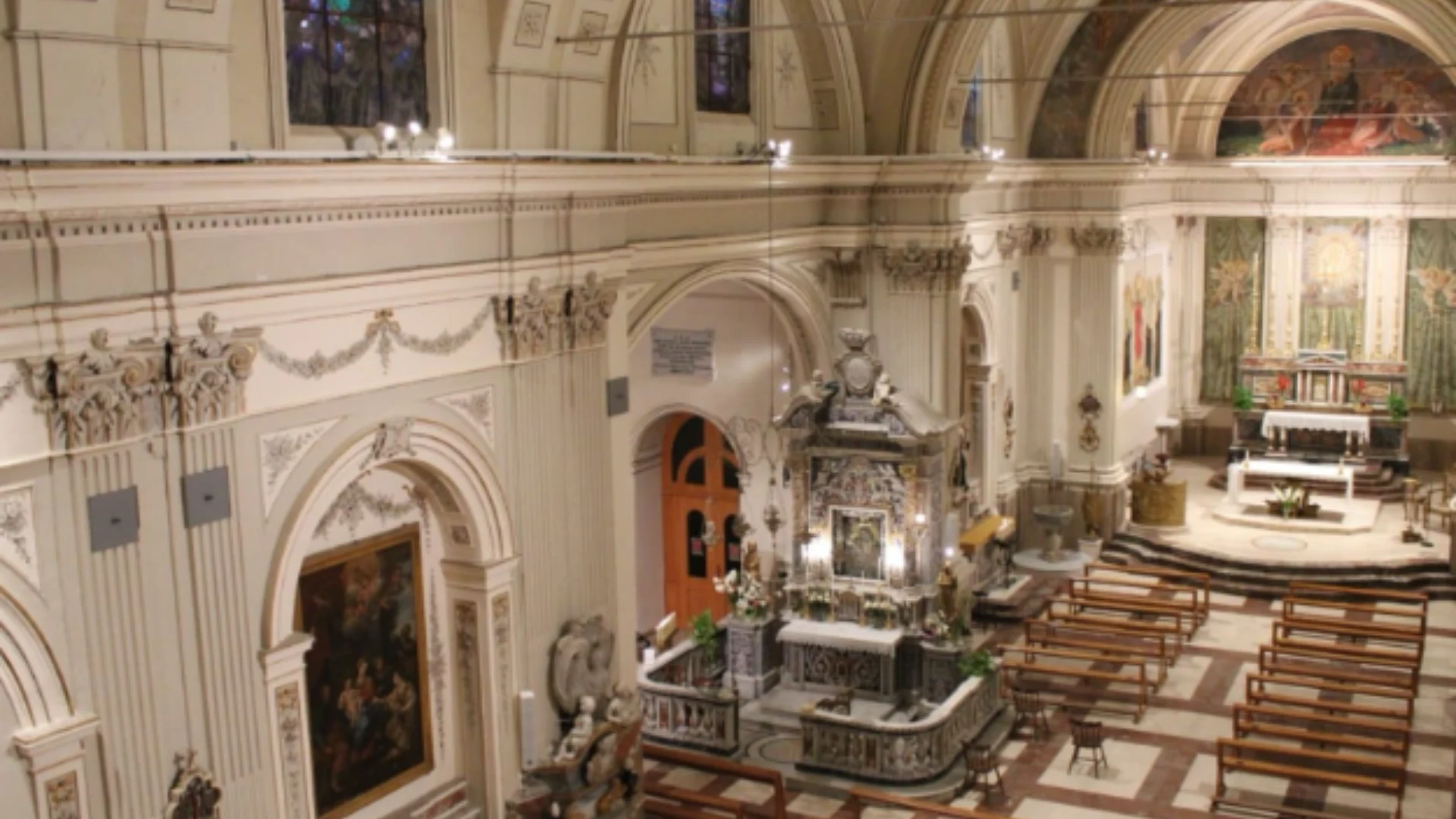
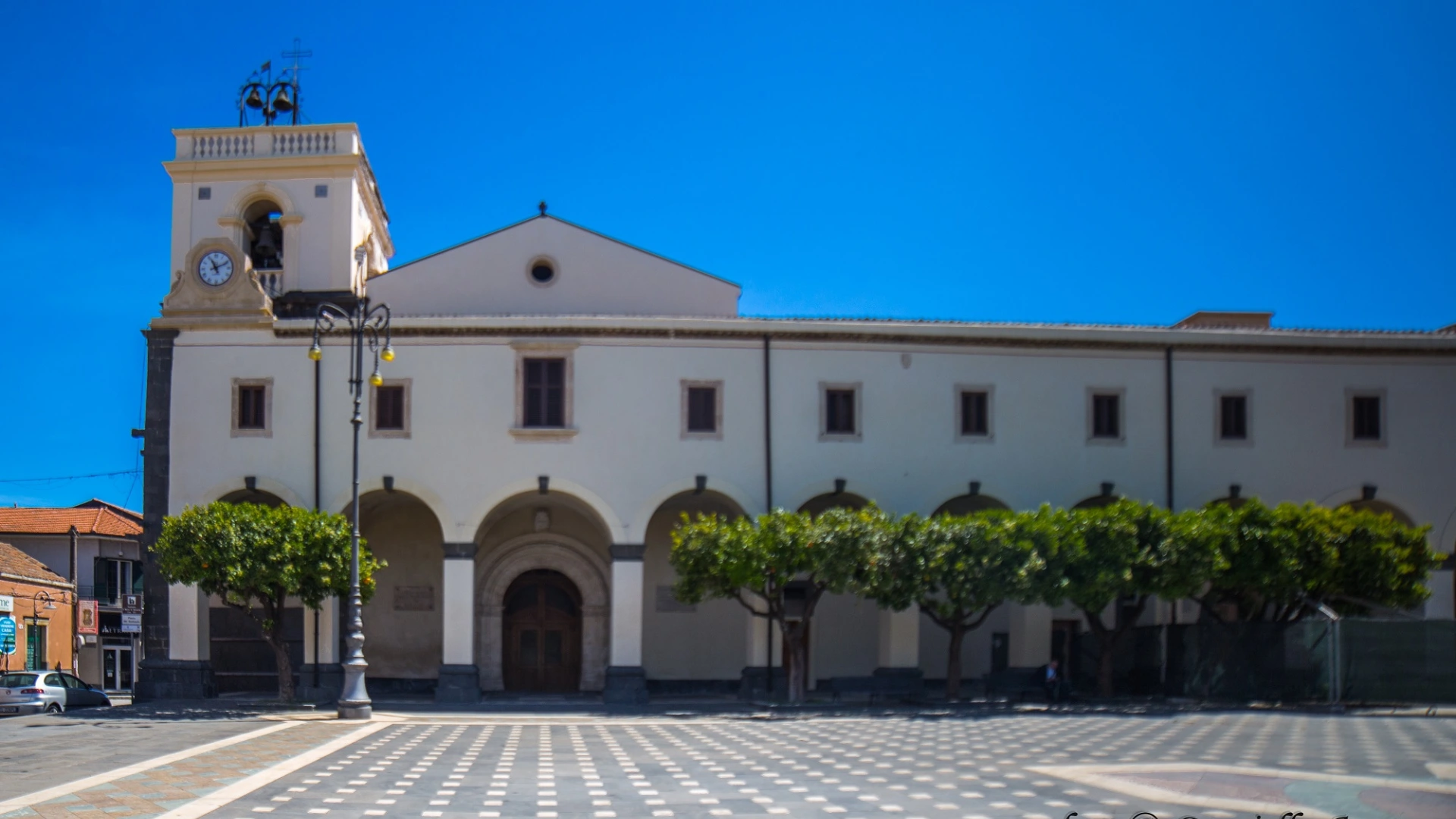
The current architecture of the sanctuary is the result of various interventions between the 16th and 18th centuries. Among the most characteristic elements are:
The colonnade with columns in lava stone and thirteen convent windows;
The harmonious façade with arches and columns;
The late 15th-century portal, decorated with floral motifs and twisted columns;
The white stone crest of the Riggio princes.
Next to the bell tower is a lava stone base engraved with the date 1559, evidence of the complex's long history.
Inside, the sanctuary houses numerous polychrome marble altars. Among the most important are:
The high altar is made of precious marble, while the altar of the miraculous pillar is in Baroque style. The painting is protected by a finely crafted silver door.
Also worth mentioning:
The cloister contains monochrome paintings on the Mysteries of the Rosary, a statue of St. Augustine, and modern panels dedicated to pilgrimages.
Every year, on the last Sunday of August, Valverde celebrates the Madonna with three days of festivities that blend spirituality and tradition. The procession, liturgical celebrations, fireworks, and illuminations transform the town into a vibrant center of devotion.
The Santuario di Maria Santissima di Valverde represents a veritable unicum in the Sicilian religious panorama. A place of history, art and faith, it continues to be a point of reference for the faithful and a treasure chest of collective memory.
A place that tells a story of conversion, resilience and hope, handed down from generation to generation.
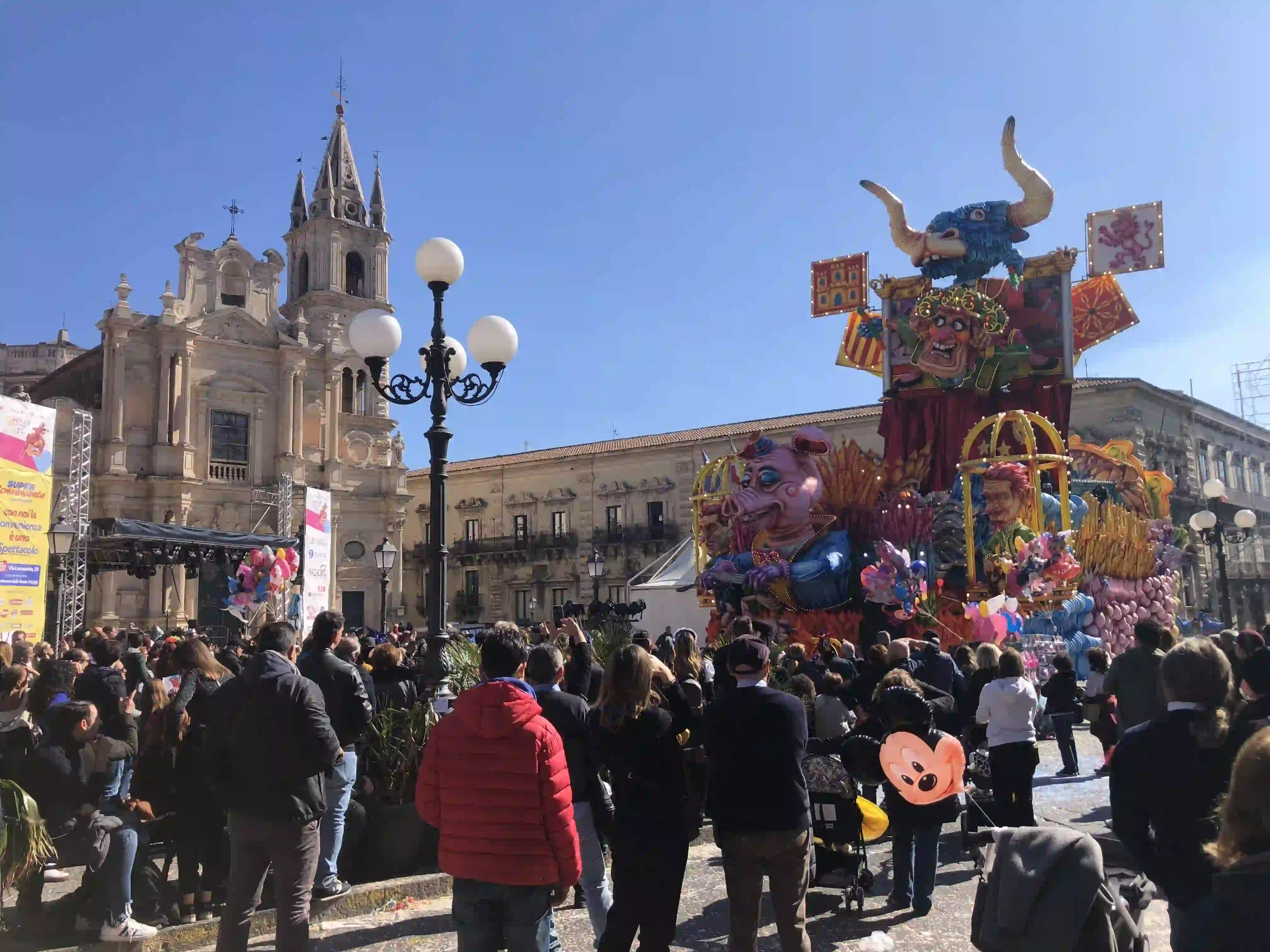
Acireale, an elegant town at the foot of Mount Etna overlooking the Ionian Sea, hosts one of the most eagerly awaited folk events in Sicily each year: the Acireale Carnival, often hailed as the most beautiful in Sicily. With roots dating back to the 17th century and a theatrical tradition unique in its kind, the Acireale Carnival is a celebration of art, irony, and creativity.
The earliest records of the Acireale Carnival date back to the 17th century, when locals expressed their creativity through citrus-throwing, pranks, and impromptu parades. Over the following centuries, the festival evolved and became institutionalized, turning into one of the community’s most anticipated events and attracting thousands of visitors each year. Since the post-World War II era, the Carnival has been distinguished by the introduction of allegorical-grotesque floats, true papier-mâché works of art blending political satire, social irony, and references to popular culture.
What truly makes the Acireale Carnival unique are the flower-adorned floats, an original local invention: mobile structures entirely decorated with fresh flowers, often featuring moving mechanisms that create spectacular effects both day and night.
During the Carnival, Acireale’s historic center transforms into an open-air theater. Piazza Duomo, Via Ruggero Settimo, Corso Umberto, and Piazza Indirizzo become the main arteries of a multi-day celebration. Floats parade among baroque façades and wrought-iron balconies, accompanied by marching bands, costumed groups, dancers, and street performers. The meticulously crafted scenographies interact with the architecture, creating a striking visual contrast between the lava-stone buildings and the colorful lightness of the festival.
Ogni carro rappresenta mesi di lavoro da parte di associazioni, artisti e volontari locali. Le composizioni, alte anche oltre 10 metri, sono animate da luci, suoni e movimenti meccanici sincronizzati, con effetti sorprendenti che catturano l’attenzione di grandi e piccoli.
The flowered float is the true identity of the Acireale Carnival. Each year, these unique creations celebrate nature, beauty, spring, as well as current events and social themes, expressed through floral symbolism and intricate mechanical designs. Acireale’s master florists work with daisies, carnations, chrysanthemums, broom, and native flowers to create panels that evoke paintings, sculptures, or theatrical scenes.
Alongside the floral beauty, there is the sharp power of grotesque satire: the allegorical floats depict politicians, celebrities, and public figures in a caricatured style, offering a critical yet playful commentary on contemporary society.
Il Carnevale di Acireale è pensato per un pubblico ampio: sfilate di gruppi mascherati, spettacoli per bambini, mostre, eventi gastronomici e concerti animano la città per giorni, culminando nel "Gran Finale" con la premiazione dei carri più belli. La partecipazione è sentita non solo dagli abitanti di Acireale, ma anche da tutto il comprensorio etneo, rendendo l’evento un importante momento di coesione e identità territoriale.
Today, the Acireale Carnival is nationally recognized and ranked among Italy’s most significant carnival events. The festival attracts over 200,000 visitors each year, generating a notable impact on the local economy, particularly in hospitality and craftsmanship. For visitors, it is the perfect opportunity to discover not only the festivities but also the beauties of the Aci area: from the baroque churches to the sea at Santa Maria La Scala, and excursions on the slopes of Mount Etna.
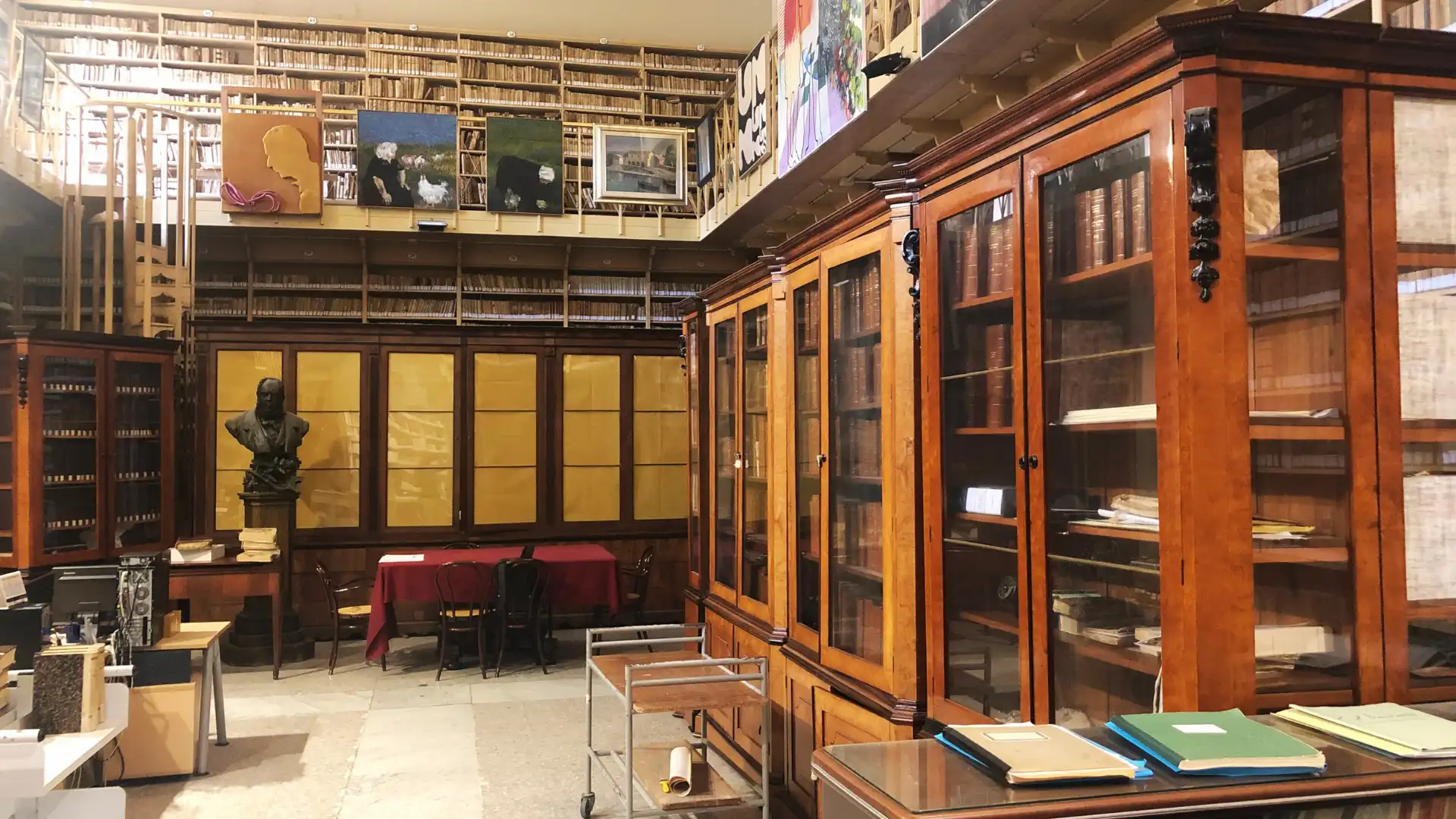
In the heart of Acireale's historic center stands one of Sicily's oldest and most prestigious cultural institutions: the Zelantea Library and Art Gallery. Founded in 1671 by Abbot Pietro Zelante, it has become an essential reference point for scholars, enthusiasts, and visitors eager to explore the island's literary and artistic heritage. Here, history meets beauty, and every room tells the story of centuries of culture and tradition.
The Zelantea Library began with an initial private donation but grew over the centuries thanks to the dedication of local clergy, patrons, and intellectuals. Today, it boasts a collection of over 250,000 volumes, including manuscripts, incunabula, 16th-century books, rare editions, and ancient works. Particularly notable is the collection of legal, historical, and theological works, which document the cultural vitality of Sicily from the 17th to the 19th century.
Some of the rarest treasures include the precious "Acis Hortus Regius", an illustrated botanical herbarium dating back to 1811, and an extensive collection of letters, epistolary documents, and autographs of notable Sicilian figures. Access to these materials is ensured through meticulous conservation and digitization efforts, aimed at preserving the heritage for future generations.
Adjacent to the library, the Zelantea Art Gallery houses a prestigious selection of artworks, stemming from the 1850 donation by Baron Paolo Leonardi Pennisi. The collection includes paintings, sculptures, and drawings, with particular emphasis on local artistic production. Among the represented artists are Giacinto Platania, a visual chronicler of the 1669 Etna eruption, and masters of the 17th and 18th centuries such as Domenichino and Guercino.
In addition to paintings, the gallery also houses a rich collection of historical objects and archaeological artifacts, including the renowned marble bust of Caesar discovered in Capomulini, dating back to the Roman era.
The current neoclassical building of the Zelantea was designed in the early 20th century by architect Mariano Panebianco. Its impressive façade leads into an elegant interior, featuring spacious reading rooms, exhibition galleries, and representative spaces. Inside, visitors can also admire a striking 18th-century carriage that once belonged to the Acireale Senate, now on public display.
Today, the library houses the Accademia degli Zelanti e dei Dafnici, guardian of the local cultural tradition and promoter of events, conferences, and activities aimed at enhancing Acireale’s historical and literary heritage.
Visiting the Zelantea means immersing yourself in a striking neoclassical building designed by the Acireale engineer Mariano Panebianco, later expanded and enriched over time. It is an ideal destination for those wishing to explore not only the territory but also its historical, literary, and artistic roots. A place where time seems to stand still, and which continues to inspire scholars and visitors from around the world.
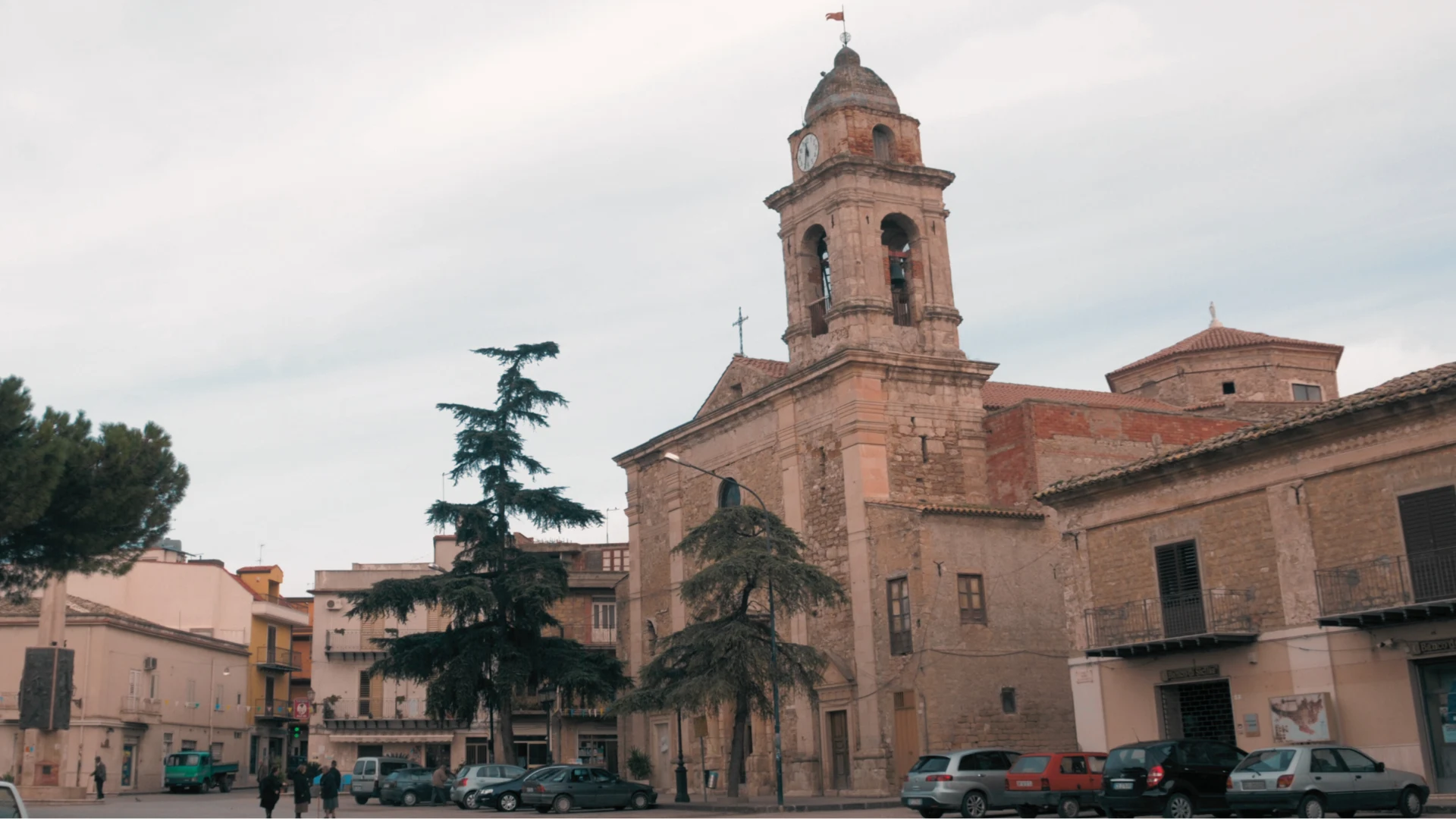
The Terre del Nisseno, in the heart of Sicily, represent an extraordinarily rich spiritual and cultural crossroads. From Caltanissetta to Sutera, passing through Mussomeli, Delia, and Campofranco, each town preserves monumental churches, centuries-old sanctuaries, and religious traditions that are still alive and actively practiced today.
Tra i luoghi simbolo del culto e della spiritualità nella Sicilia centrale spiccano:

Patronal festivals and traditional processions are moments of strong social and spiritual cohesion. Celebrations such as those dedicated to the Madonna del Soccorso, Santa Margherita, or San Leonardo enliven villages and towns with ancient rituals, music, costumes, and typical gastronomy. During these occasions, the community gathers around faith, transforming religious festivities into authentic and meaningful tourist experiences.
Discover the historic churches, panoramic sanctuaries, and the most authentic religious traditions of the Terre del Nisseno. Live a unique experience between faith, culture, and rural landscapes with Discovering Rural Sicily, the project that highlights the hidden treasures of central Sicily.
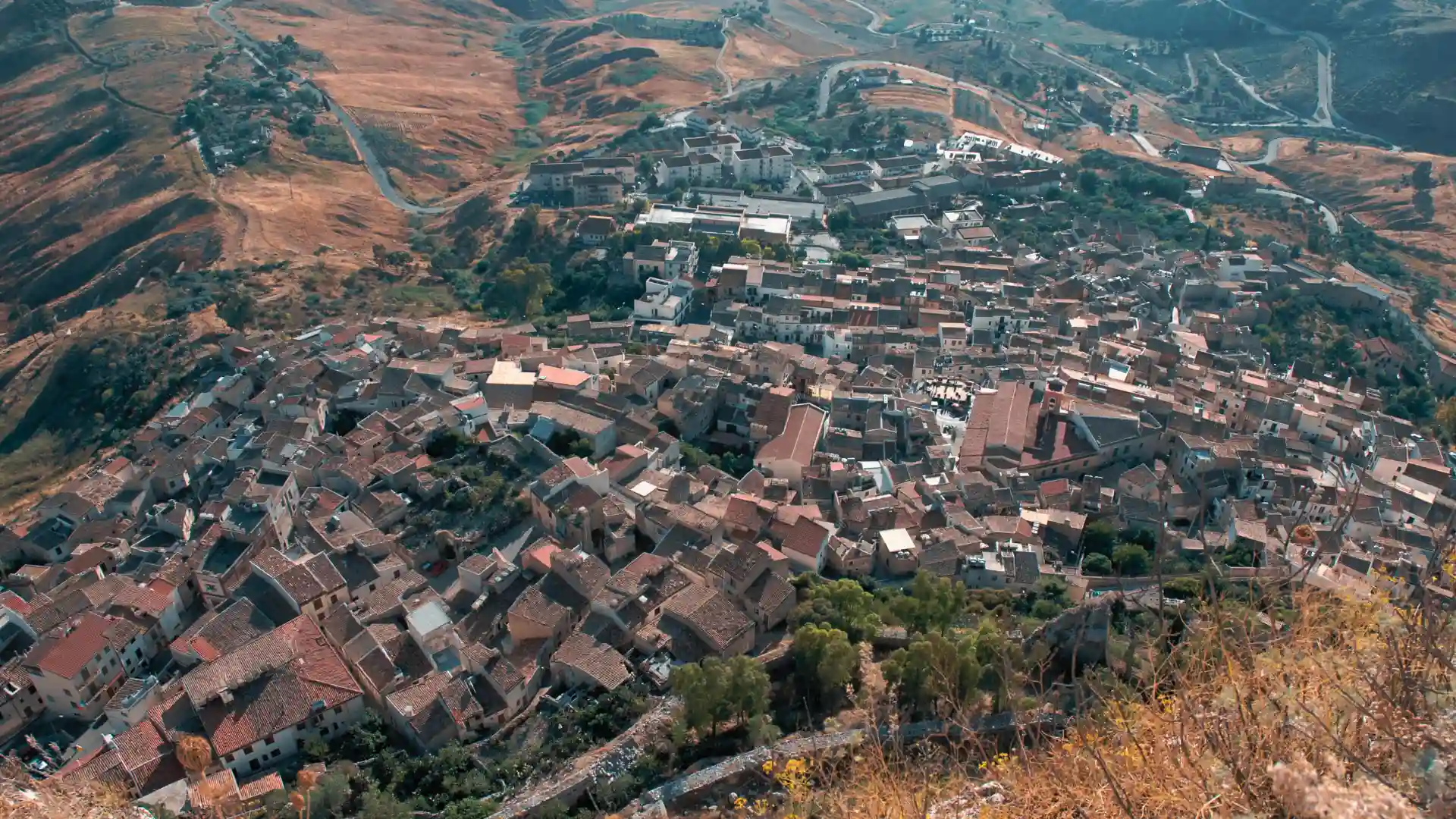
Nel cuore geografico della Sicilia, le Terre del Nisseno custodiscono uno dei patrimoni archeologici più ricchi e affascinanti dell’isola. Questo territorio, che comprende i comuni di Caltanissetta, Milena, Marianopoli, Acquaviva Platani, Bompensiere, Butera, Campofranco, Delia, Mazzarino, Montedoro, Riesi, San Cataldo, Serradifalco, Sommatino, Sutera, Villalba e Mussomeli, offre un viaggio nel tempo lungo millenni, tra villaggi preistorici, insediamenti greci, necropoli, santuari e antiche tradizioni che ancora oggi riecheggiano nei paesaggi e nei musei locali.
The earliest evidence of human presence dates back to the Neolithic and the Copper Age. Excavations in the territories of Milena, Marianopoli, and Caltanissetta have uncovered artifacts that tell the story of well-organized agricultural and pastoral communities, with rudimentary but functional dwellings. With the arrival of the Greeks, starting in the 8th century BC, the area experienced an important phase of cultural, economic, and architectural growth. The archaeological sites of Sabucina, Vassallaggi, Gibil Gabib, Cozzo Scavo, Polizzello, and Raffe testify to this flourishing period, becoming true centers of attraction for scholars and visitors from all over the world.
A few kilometers from Mussomeli, the site of Monte Raffe stands out for its dominant position and exceptional archaeological value. The area, active between the 9th and 5th centuries BC, offers a comprehensive overview of the evolution of settlements in central Sicily: defensive walls, residential structures, sacred areas, and necropolises tell the story of daily life and the relationship with the sacred of indigenous and Hellenized communities. The suggestive landscape context and the stratification of settlement phases make Monte Raffe an ideal destination for archaeology and nature enthusiasts. The panoramic view and unspoiled atmosphere make it a perfect place to combine cultural experience and contemplation of the territory.
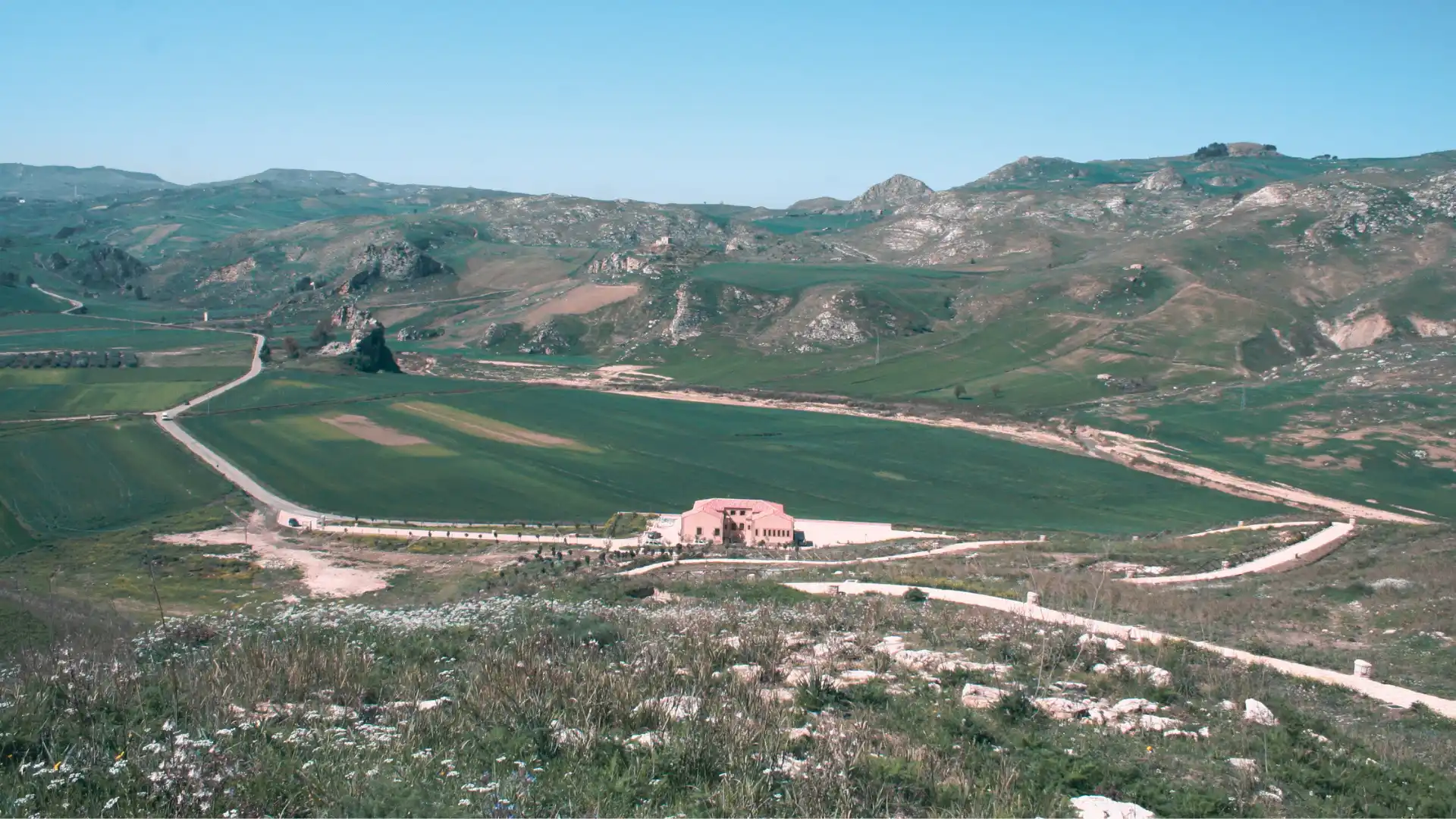
I Musei Archeologici di Caltanissetta, Marianopoli e Gela sono tappe fondamentali per chi vuole approfondire la storia delle Terre del Nisseno. Qui è possibile ammirare corredi funerari completi, ceramiche finemente decorate, statuette votive, e persino oggetti di chiara influenza micenea che attestano i contatti tra la Sicilia e l’Egeo.
Each museum represents a cultural landmark, but also a living space, in dialogue with the territory and local communities, contributing to enhancing a heritage that is too often underrated.
Thanks to the cultural itineraries promoted by Discovering Rural Sicily, it is now possible to experience authentic archaeological tourism in Sicily, away from the more beaten paths. This model of sustainable tourism combines culture, nature, and traditions, offering the curious traveler a unique opportunity to discover a lesser-known Sicily, but no less fascinating.
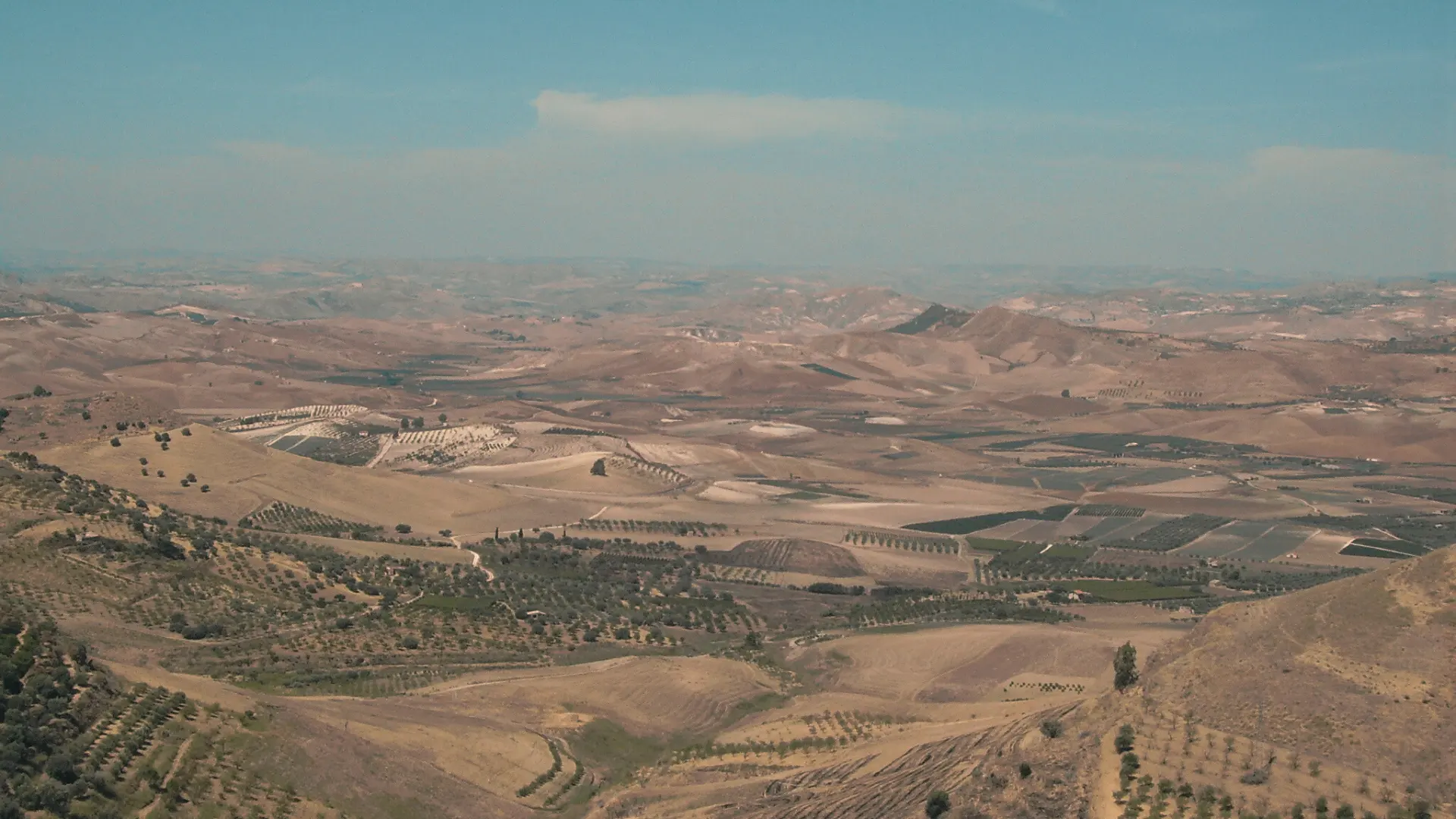
Sicily is a land that intertwines nature, culture, and memory, and the Etna region is one of its most fascinating expressions. Among the most significant events that have shaped the history of the volcano, the Lava Flow of 1669 stands out as one of the most monumental eruptions of Etna, leaving a profound mark on the landscape and the local communities.
Today, thanks to the initiative of GAL Etna Sud, this event transforms into an experiential journey that promotes sustainable and responsible tourism, highlighting the places of memory and the resilience of the communities affected.
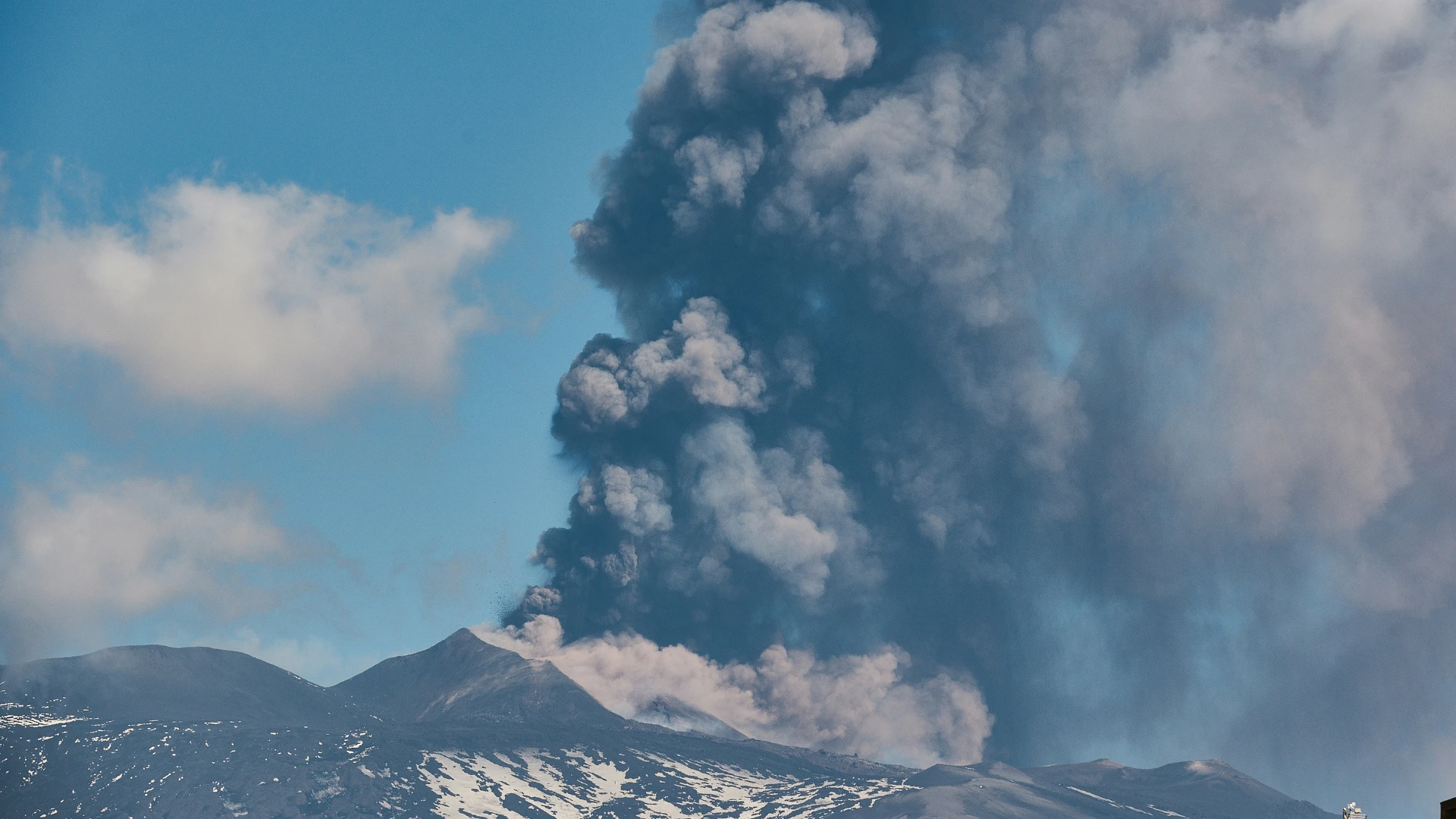
The journey begins in Mascalucia, one of the first towns affected by the lava flow. Even today, the urban and rural landscape retains traces of that event: historic buildings and surviving structures stand as witnesses to the destructive power of the lava and the resilience of the communities.
A must-see stop is the Santuario della Madonna della Sciara di Mompilieri, which was buried by the lava and later brought back to light. This sacred place is a symbol of the deep devotion and the ability of the local population to rise again.
Continuing along the route, you will encounter the Chiesetta del Soccorso, also known as the Chiesa della Misericordia, another example of reconstruction after destruction. From here, you reach Massannunziata, where the Chiesa di Maria Santissima Annunziata and the Chiesetta di Sant’Antonio can be found, both immersed in a historically rich and captivating context.
The next stop is San Pietro Clarenza, where you can find the Chiesa di Santa Maria delle Grazie and the Chiesa di Santa Caterina Vergine e Martire. These religious buildings not only represent the spiritual value for the community but also an architectural heritage to be preserved.
Just a short walk away is the Cava di San Pietro Clarenza, home to the Monumento ai Caduti: a place of collective memory that tells the story of the courage and strength of a people capable of turning tragedy into an opportunity for growth.
The journey concludes in Camporotondo Etneo, with a visit to the evocative Chiesa di Maria Santissima degli Ammalati. Here, spirituality meets nature, creating an intense atmosphere that allows visitors to immerse themselves in the history and identity of the area.
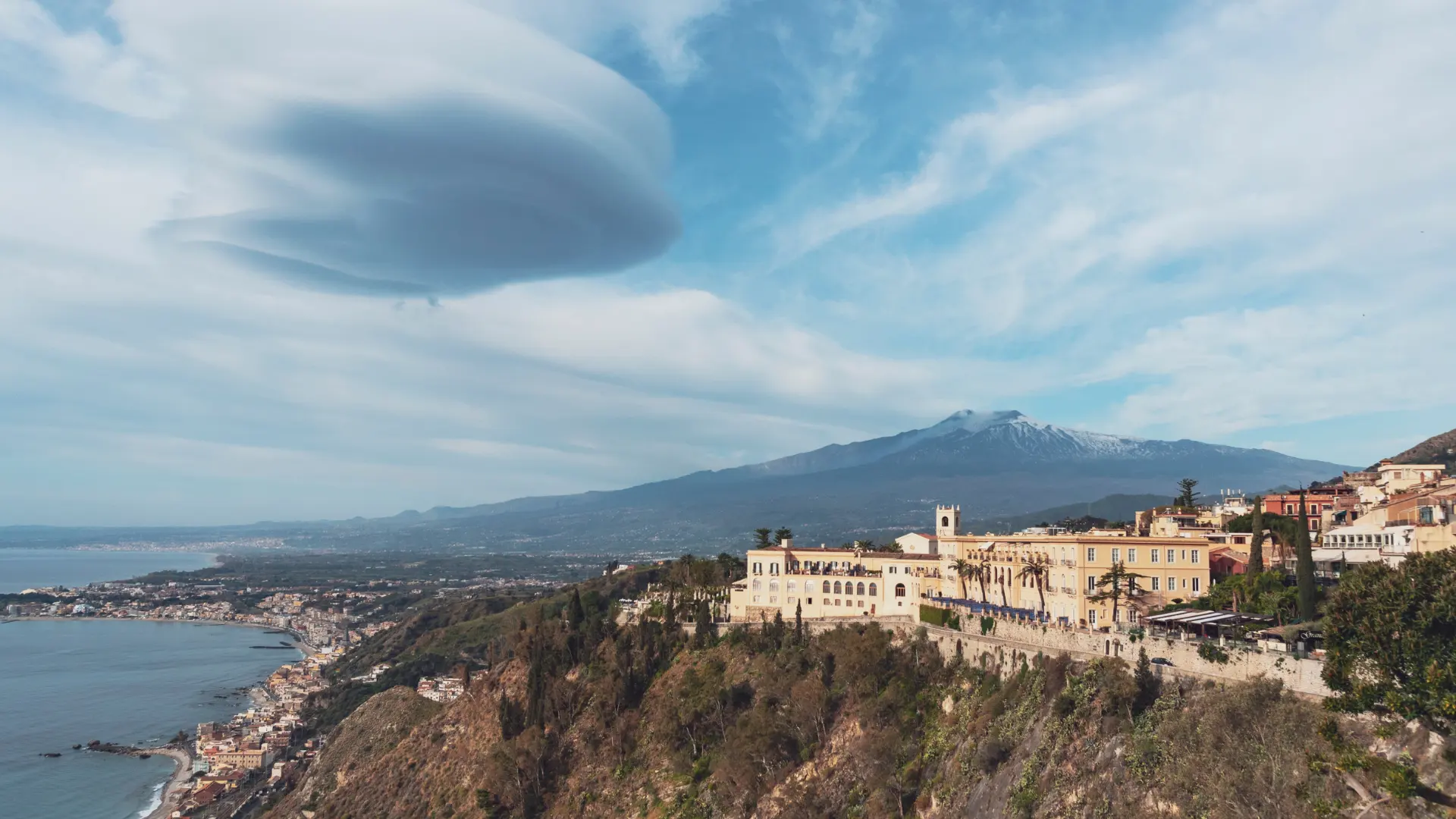
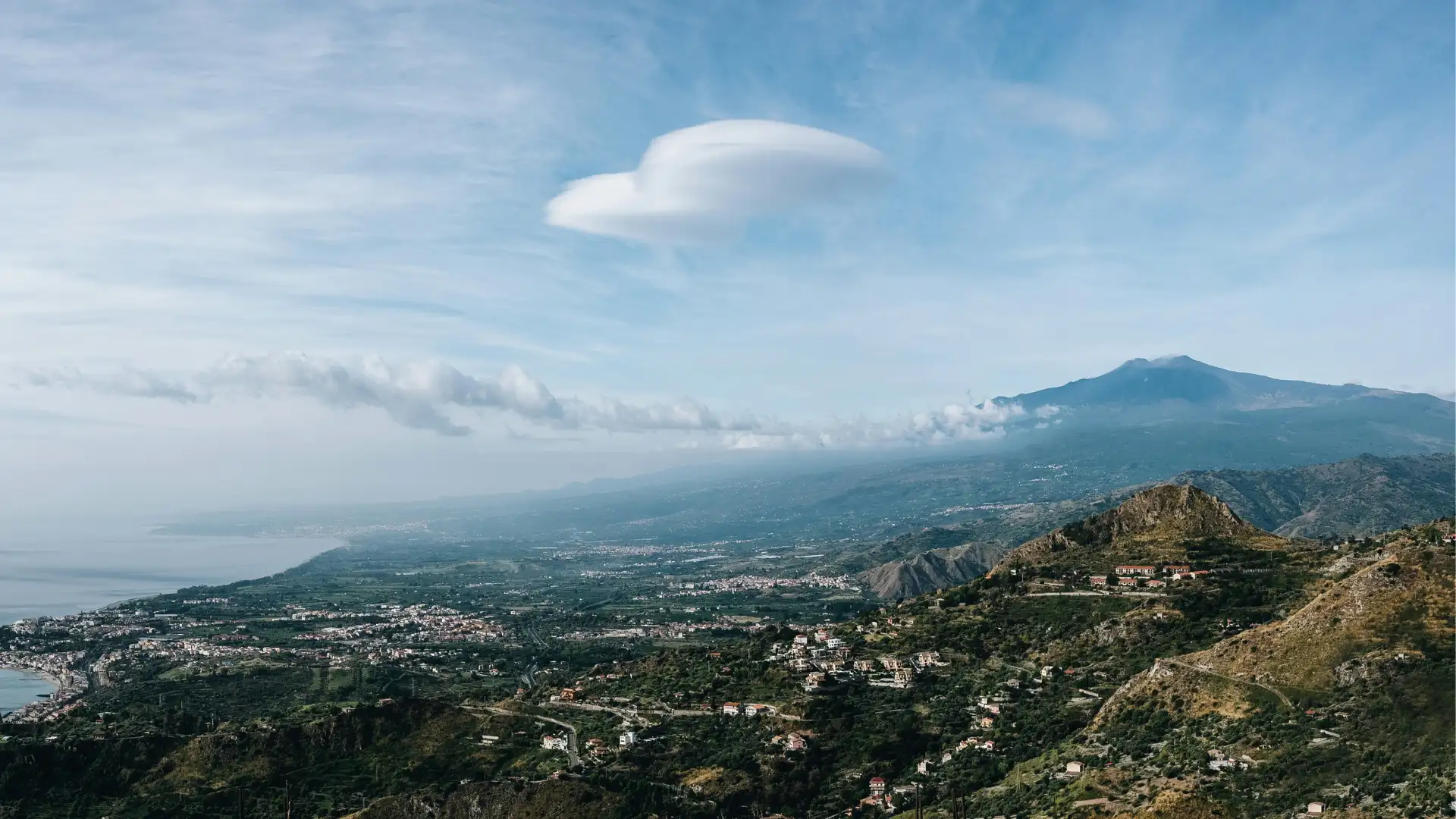
Retracing the paths of the 1669 lava flow means traversing centuries of history, faith, and resilience, in an itinerary that highlights the ability of local communities to rebuild and honor their roots.
The project promoted by the GAL Etna Sud fits into a broader vision of sustainable and community-based tourism, involving local realities in a path of integrated development, promoting the Etna area as an authentic and cultural destination.
Scoprire i luoghi segnati dalla colata lavica del 1669 è un’esperienza profonda e coinvolgente, che unisce paesaggi vulcanici, spiritualità, memoria storica e partecipazione attiva delle comunità.
Book your experience with Discovering Rural Sicily and live a unique itinerary in the heart of Etna South, between cultural heritage, nature, and tradition.

Subscribe to our newsletter to stay updated on all the latest experiences.